When Fashion Meets Interiors: How Style Translates Beyond the Wardrobe

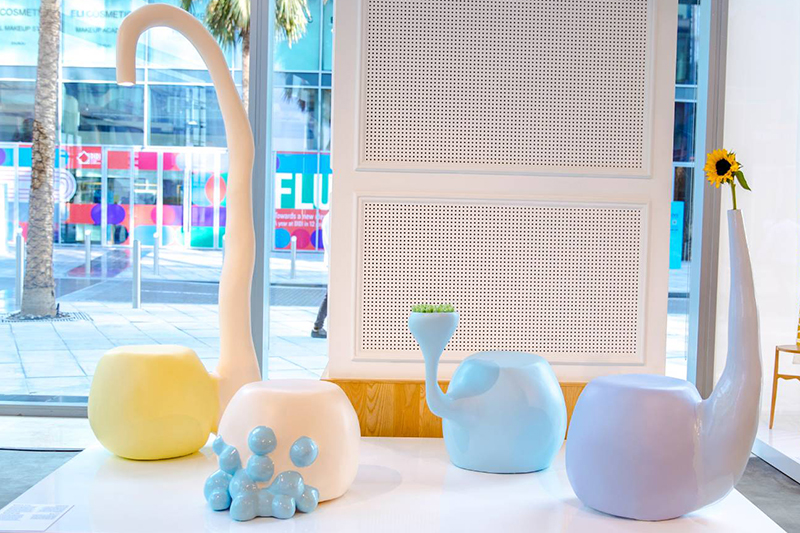
In the ever-evolving world of design, the synergy between fashion trends and interior styling has never been stronger. As the lines between personal style and home décor blur, fashion lovers and interior design enthusiasts are discovering how seamlessly their taste in clothing can reflect in the spaces they call home.

The Runway to Room Connection

Fashion often sets the mood for the moment, and those bold colours, striking textures, and unexpected pairings from the runway are making their way into interiors. Whether it’s the resurgence of retro vibes, minimalist monochromes, or playful prints, interior styling draws inspiration from fashion’s fearless creativity.
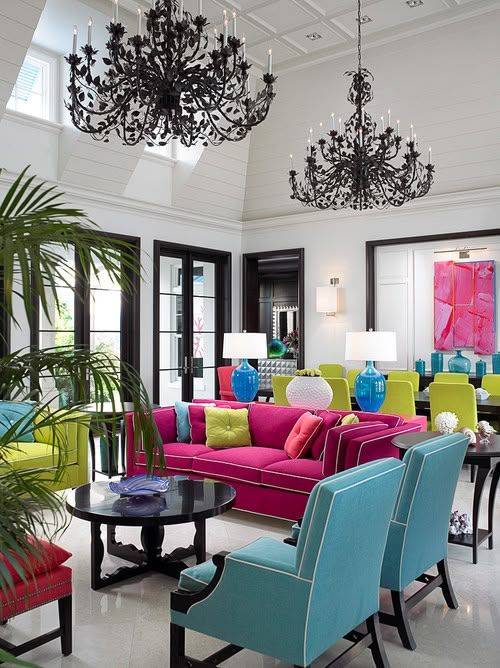
For instance, the monochromatic trend that has dominated recent fashion collections—think head-to-toe neutrals or vibrant colour-blocking—has translated effortlessly into interiors. Entire rooms now embrace a single hue, creating a bold and cohesive statement, much like a well-curated outfit.

Textures and Fabrics: A Sensory Experience

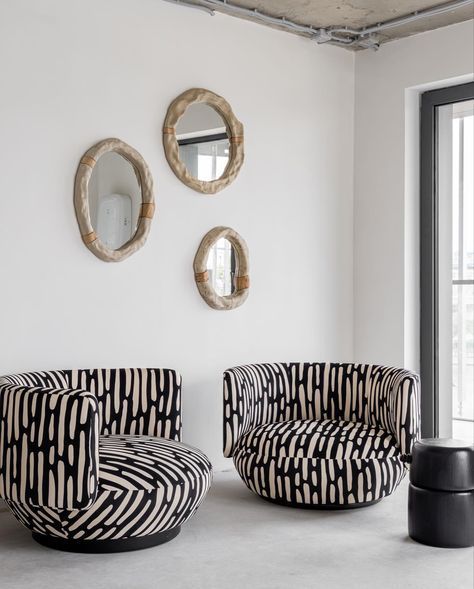
Just as fashion is tactile, so is interior design. The way we layer textures in an outfit, from soft wool jumpers to sleek leather jackets, mirrors how we combine materials in our homes. In fashion, texture adds depth and interest; in interiors, it transforms a room from flat to fabulous.

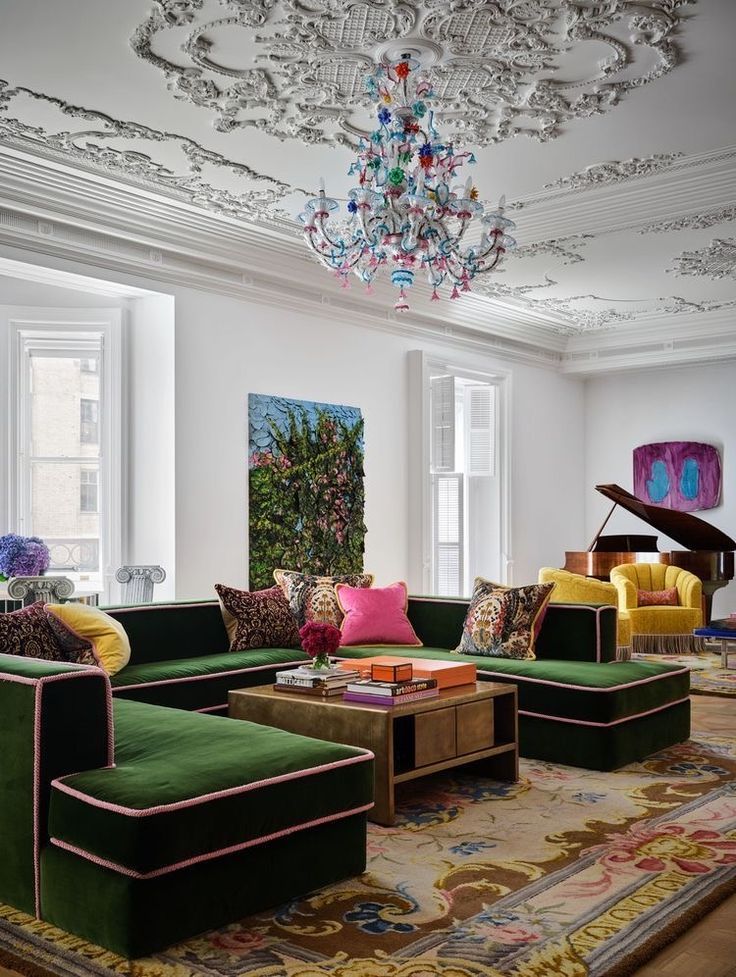
This year, the fusion of plush velvets, rich linens, and woven fabrics has not only graced the fashion runway but also found its way into living rooms and bedrooms, elevating comfort and adding a touch of luxury to everyday spaces.
The Power of Personal Colour Palettes

Colour theory plays a crucial role in both fashion and interiors. The right shade can elevate a space, evoke emotion, and reflect personality. Just as you might have a signature colour in your wardrobe, your home can benefit from a thoughtful, personal palette.

Timeless Elegance vs. Trend-Driven Design

In fashion and interiors, there’s always a balance between following trends and maintaining a timeless look. Trends invite experimentation and self-expression, while timeless design ensures longevity. Just as a classic trench coat never goes out of style, a well-designed neutral-toned sofa or a polished marble benchtop can form the backbone of a room.

Conclusion: Style Beyond the Wardrobe

Fashion and interior design are more interconnected than ever, and this exciting relationship gives you the chance to express yourself in more ways than just your wardrobe. Whether you’re making a statement with your outfit or styling a room, your personal aesthetic should extend beyond your clothes to the spaces you live in.

Xoxo Style Diversity,………………
Clog Sandals Are the Surprisingly Versatile Shoe of the Summer

Some styles worth taking a look at

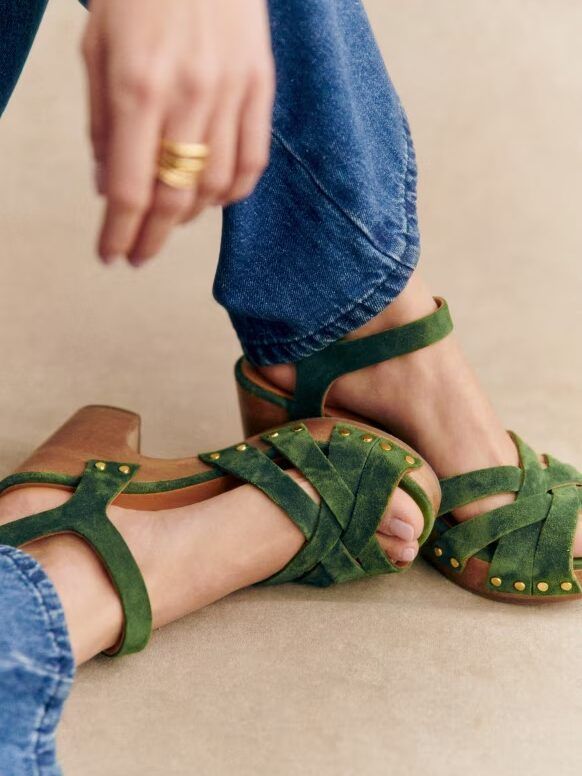
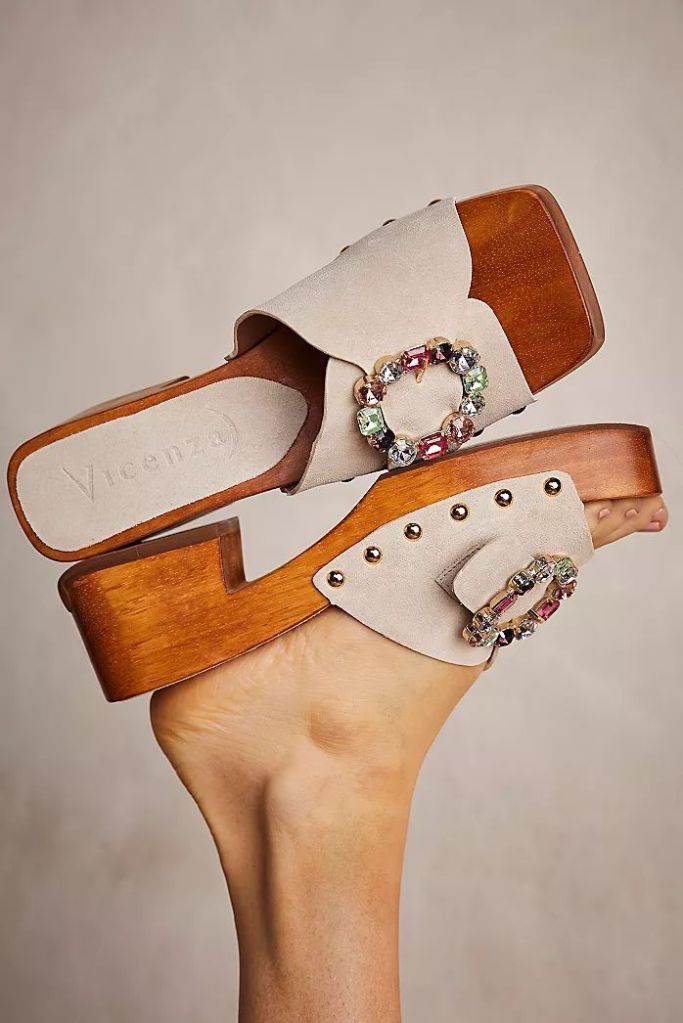
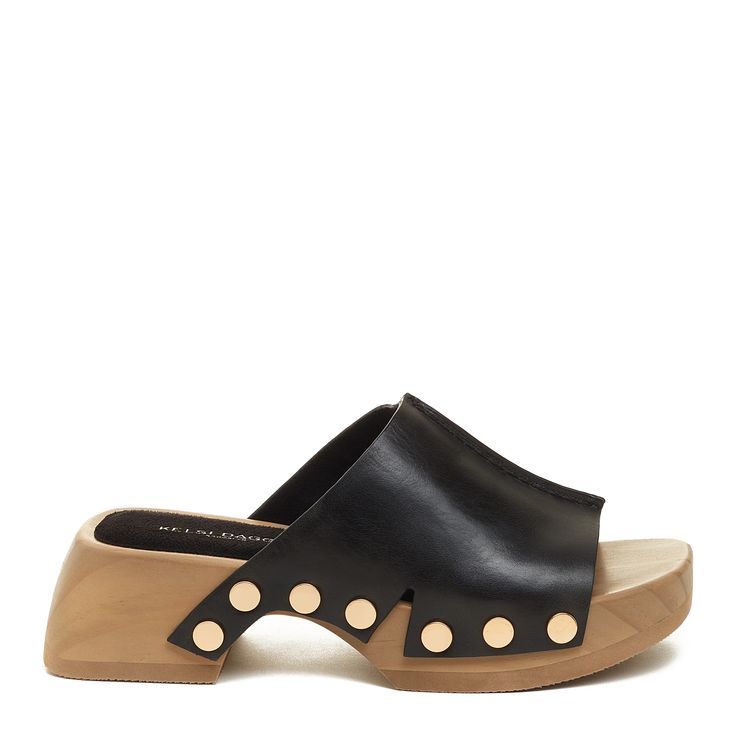
A clog sandal might be what’s missing from your footwear rotation. Easy and nonchalant, a wooden-sole shoe nods to the carefree summers of the ’70s and ’90s—and thanks to the ongoing boho revival, the style feels fresh once again.

That said, I’m not talking about your babysitter’s mall-bought flatforms of the ’90s and early aughts. Today’s iterations are chic and sophisticated, featuring polished gold hardware and luxurious leather, suede, or pony hair fabrications. Choose a towering heel that evokes the disco era or a low-heel slip-on that works for a day of sightseeing or exploring.

You can find many of the sandal clogs designs online by doing a quick search for “designer clog sandals” then you’ll have access to a multitude of models that fit your personal style.

Some brands to note offering beautiful clog sandals

• Kelsi Dagger

• Free People

• Madewell

• Schuh

• Steve Madden

Just to name a few. Happy shopping.

Xoxo Style-Diversity,…………..

How Fur Came Into Fashion

Everyone knows that owning a fur coat is the utmost luxury fashion statement piece and shows how stylish and chic you are. They keep us warm and turning heads in the winter months and often times become family heirlooms to be passed down to our fashionable children.

However did you ever wonder when fur became in style and who were the first people to wear them for fashion and status purposes? Let us take you down the road of fur fashion history donned by nobles dating as far back as ancient Egypt.

Fur clothing is clothing made from the preserved skins of mammals. Fur is one of the oldest forms of clothing and is thought to have been widely used by people for at least 120,000 years.[1] The term ‘fur’ is often used to refer to a specific item of clothing such as a coat, wrap, or shawl made from the fur of animals.

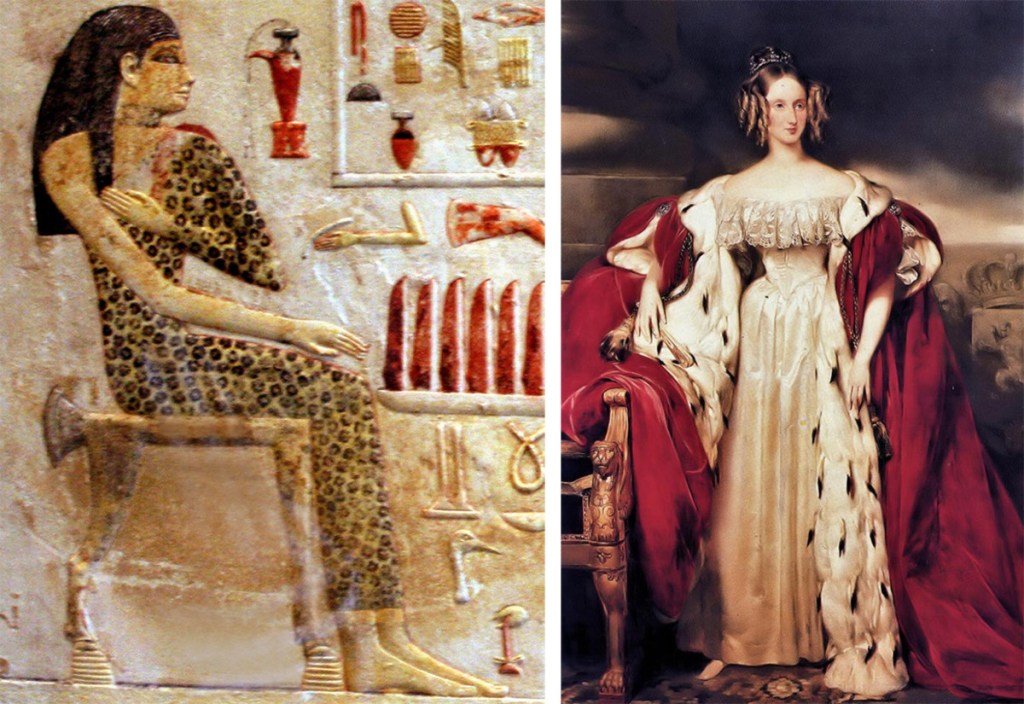
Humans wear fur garments to protect them from cold climates and wind chill, but documented evidence of fur as a marker of social status exists as far back as 2,000 years ago with ancient Egyptian emperors and high priests wearing the skins of leopards.

THE EARLIEST DAYS OF FUR IN FASHION

Fur’s association with the highest echelon of society began in Ancient Egypt where leopard skins were reserved exclusively for the royal family and high priests before the British nobility adopted the same ritual in the thirteenth century.

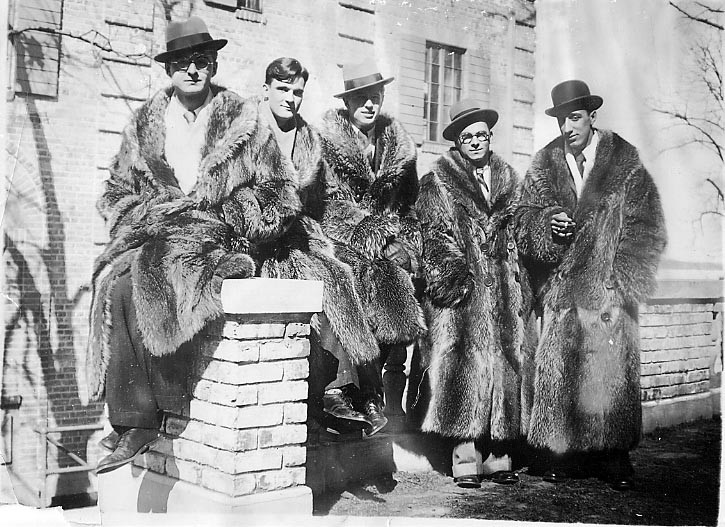
Historically in European and Middle Eastern cultures fur garments often had the fur facing inwards with cloth on the exterior of the jacket, but in the 19th century a trend for wearing seal fur coats with the fur facing outwards became the trend.[3] Worldwide, both styles are popular, with fur linings offering more thermal benefits and exterior furs serving more of a fashionable purpose.

Fur coats were a sign of social inequality in European society because they were a luxury item available only to the nobles. In the last two centuries, furs have been popular with the growing middle classes in Western Europe and North America as a means of displaying social status or adopting a high-fashion aesthetic.

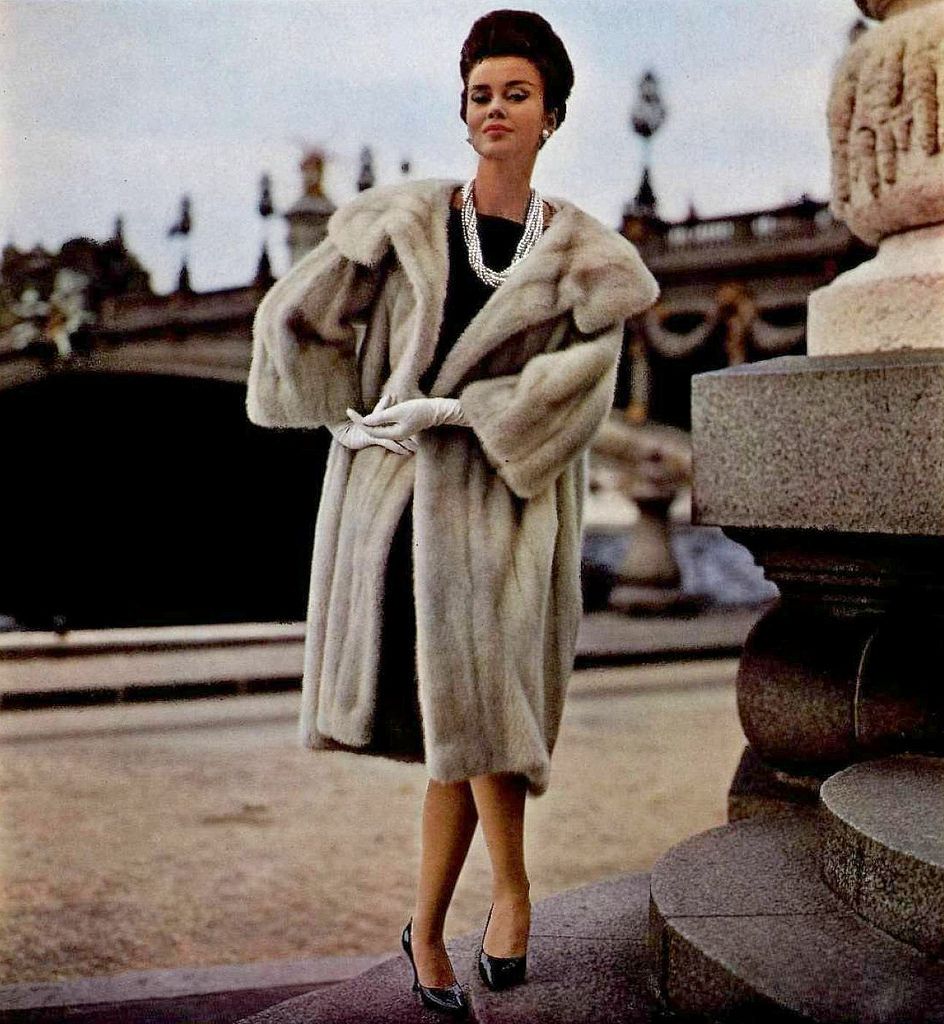
In the early 1940’s Following the New Look in 1947, the long fur coat became an icon. It was wide and draped, made of precious furs. In the 1960’s there was a democratization in the use of furs: everyone could afford a faux fur coat, since the imitations could easily confuse an amateur.

As the decades progressed and the fashion industry developed with more designs and designers creating their own versions of the luxury garment we have an endless and diverse supply of the coveted luxury status symbol we know as the fur coat.


Will you be sporting your beautiful fur this winter or purchasing your first genuine or faux fur in the near future?

Xoxo – Style Diversity

Kennel Shmenger Footwear

We stumbled upon this awesome brand based in Germany that caught our eye for their funky in your face sneakers with chic yet edgy design that stands out and catches your attention.

I assumed they only produced sneakers but after looking into the brand further they actually produce other conventional designs such as loafers, flats, boots etc . Kennel Shmenger is also one of original last standing footwear producers in Germany, and I must say they are doing an excellent job keeping the tradition alive.

Read all about this German brand with the snazzy wheels below.


HISTORY

1918: Founded by Fritz Kennel. Until 1950 the company was called ZUKUNFT Schuhfabrik. In the same year, August Albert Schmenger took over management of the company. From this point on, the company operates under the name Kennel & Schmenger KG. In 1961, Klaus Kennel, grandson of the company founder, joins the company. 1995: Today's CEO, partner and creative director, Andreas Klautzsch, starts working at Kennel & Schmenger. He is largely responsible for the brand's "generational change" towards a fashion-oriented premium label. 2008: With the opening of the first concept store, a crucial milestone was set for the further expansion of the brand's presence.
TRADITION

We are a traditional company in whose factory handcraft and zeitgeist become one. Our production site in Pirmasens looks back on a long history in shoe production. Kennel & Schmenger is one of the few remaining local manufacturers and also one of the last companies producing in Germany. Kennel & Schmenger has been a reliable and trustworthy trading and business partner for generations.
COLLECTION

Kennel & Schmenger has an unmistakable signature that makes the brand a key brand in the premium segment. With the variety of collections across all product groups, our styles convey both aesthetics and casualness. Over the years, Kennel & Schmenger has gained significant experience that gives us extensive know-how in all product groups, such as sneakers, flats, ballerinas, pumps , sandals, boots and ankle boots.

A final word from the owner and where you can buy their wonderful designs Shop Here!

“The challenge of a modern premium label is to always meet the zeitgeist, arouse emotions and at the same time be close to the markets.” (Andreas Klautzsch, Creative Director and CEO)

XoXo- Style Diversity

Dubai Design Week 2023

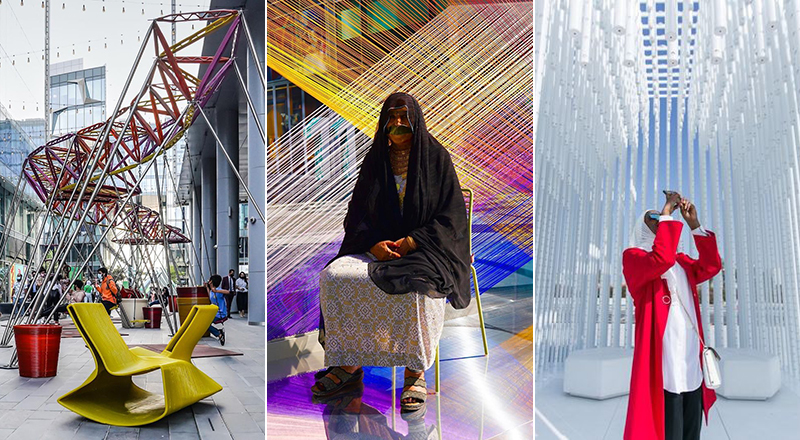
See art and design come alive at the region’s largest creative festival, Dubai Design Week from 7-12 November. Embracing Dubai’s position as the design capital of the Middle East, this annual event curates inventive showcases representing architecture, products, furniture and interior design.

Immersive, insightful and inspiring, Dubai Design Week demonstrates not only the breadth of regional talent but also invites international studios and artists to share their ingenuity with local communities. A must-attend feature of this festival is the leading trade fair Downtown Design, where brands from near and far showcase limited edition creations, which will be at the d3 waterfront. You can also see the future of creative study on display at the Global Grad Show, which shines a spotlight on works from 100 of the most innovative universities in the world.


Overview
Dubai Design District (d3)
Dubai Design District – Dubai

http://www.dubaidesignweek.ae/
+971 4 563 1400
#Arts & Culture #Galleries & Exhibitions #Leisure events

Fashion History : How  Garments Got Their Shapes

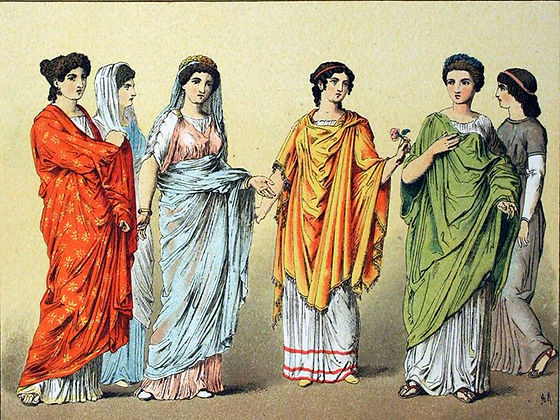
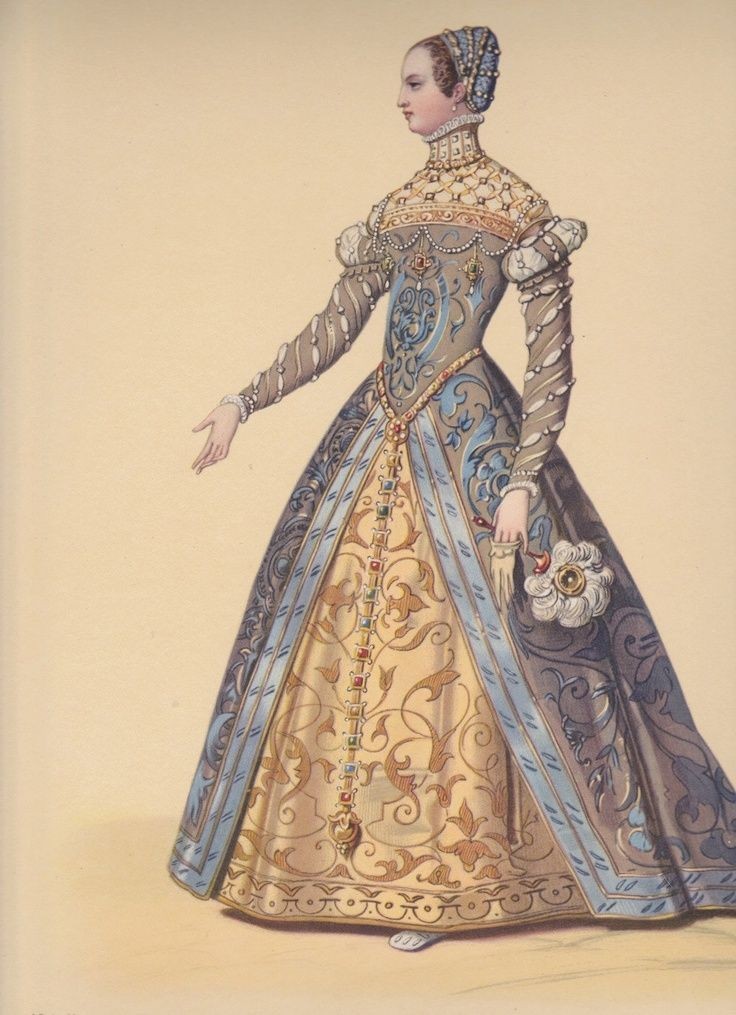
Before the 16th century came around most garments were variations of drapes and throws with beautiful details and embroidery but without much shape or fit to the body.

Draped Garments For Women
Draped Garments For Men

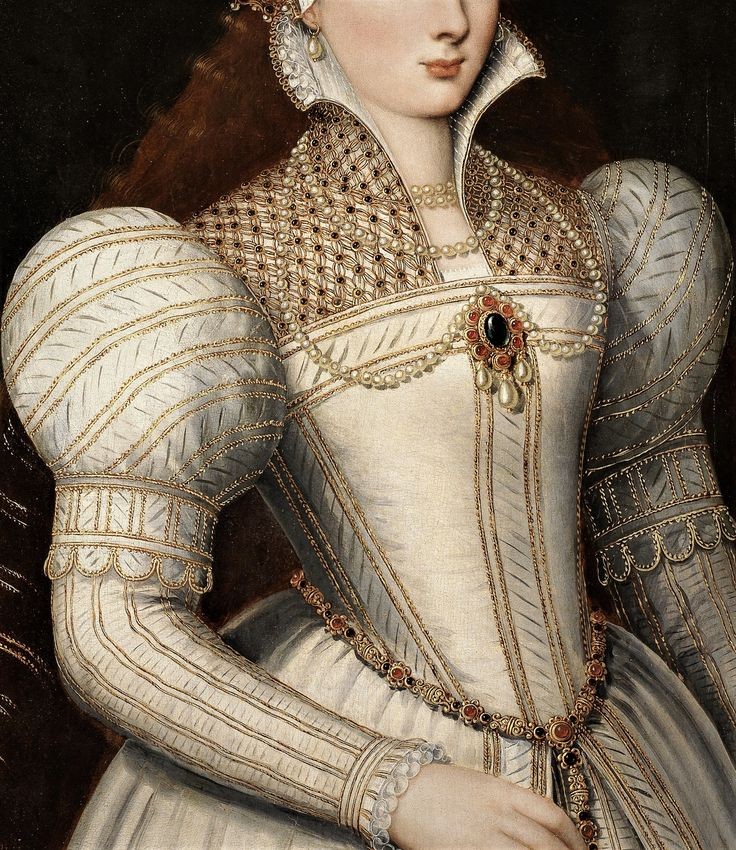
However soft draped lines began to disappear as the century went on. Throughout the 1500’s women’s dress had two matches n parts which were a bodice and a skirt. Sleeves were often times separate as well. The gradual move from clothing that draped over the body to clothing that shaped it was complete.

Only outer robes and coats remained waistless. Full skirts widened with gathered and pleated waistlines. Outer skirts were opened up to reveal a petticoat or forepart underneath.

The Spanish farthingale created a bell shape and defined the century’s silhouette. Bodices became smooth and fitted by adding stiff materials inside. While the torso straightened, sleeves grew larger and more elaborate.

Spanish Farthingale

At the start of the sixteenth century, women dressed as they had for much of the fifteenth century, though changes were slowly introduced. The foundation of a woman’s outfit was her smock/shift/chemise, which was made of linen and easily washed. Blackwork or other colored embroidery was commonly applied to chemise necks, fronts, and wrists.

Beneath every elaborate gown a linen undergarment was worn next to the skin. These undergarments are what we refer to now as shirts, but in medieval times were referred to as smocks, shifts, and chemise in French which was an essential layer because it could be easily washed and protected the outer garments which were never washed. The more the under linen shirt would be revealed in certain garments the more elaborate and decorative the linen shirt became.

Fashion in the first decade of the sixteenth century largely continued the trends of the 1490s, but with a growing Italian influence on men’s and womenswear producing a broader silhouette, as well as an increasing presence of slashing on men’s garments.

At the start of the sixteenth century, the first layer a man would put on would be his linen shirt or chemise, which in this period was nearly always visible and gathered at an often-ornamented neckband. Doublets were collarless, cut square and low. Sleeves were often of a finer fabric than the body as they were more visible when wearing a gown. Jerkins, often skirted, were worn over the doublet (it is often difficult to distinguish the two in portraits). Gowns, worn over doublets/jerkins, were broad-shouldered and loose, open down the front, with a large turned back collar that broadened over the shoulders and was usually fur lined. Legs were covered in hose ending at the knee, with the two legs joined by a codpiece, netherhose or stockings were worn below, supported by garters.

XoXo – Style Diversity

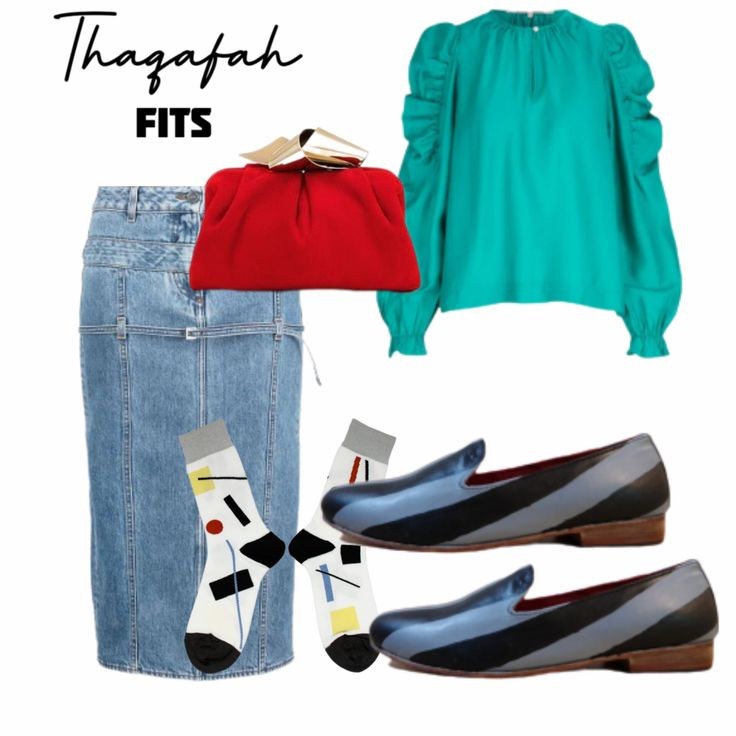
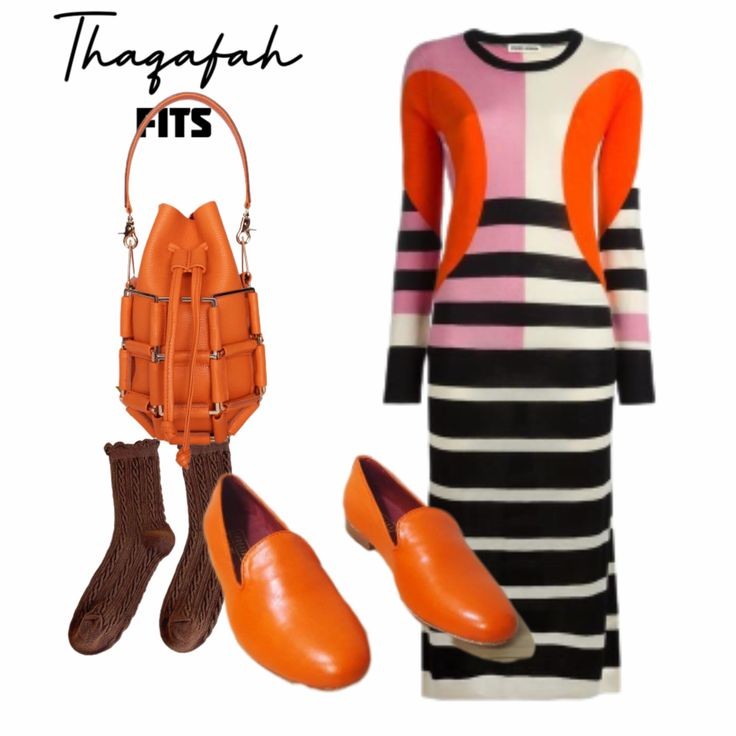
Styling With Henrik Vibskov-Thaqafah Fits

Knitted Top : H&M

Pants: Luisa Viaroma

Bracelet: Roxanne Assoulin

Handbag : Acne Studios

Shoes : Thaqafah Shoes

Sunnies : Ssense


Top : Biggles Amsterdam

Skirt: Rejina Pyo

Clutch Bag : Jimmy Choo

Socks : L’Exception

Shoes : Thaqafah Shoes


  • Dress : Henrik Vibskov
  • Handbag : Bruce Glen
  • Socks : Urban Outfitters
  • Shoes : Thaqafah Shoes

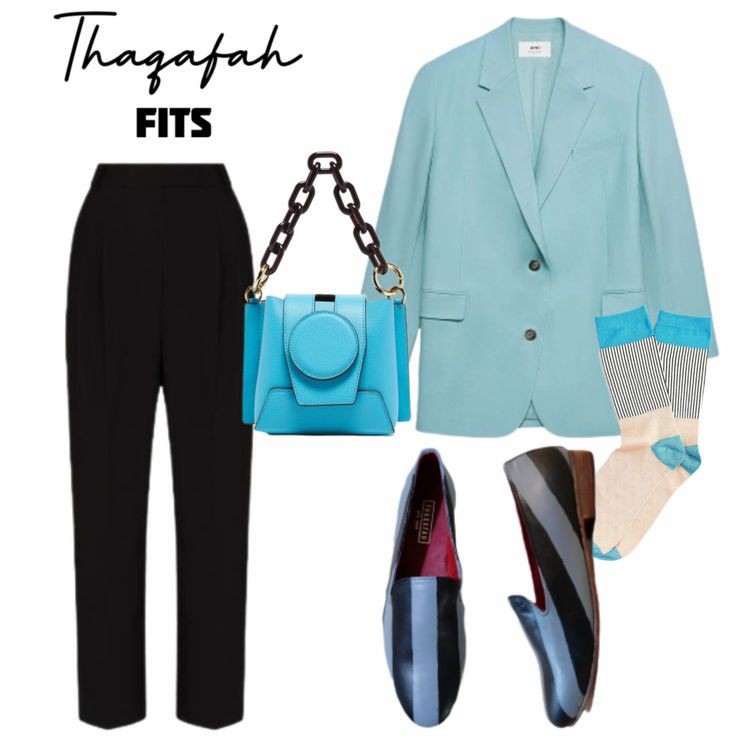
  • Blazer : Ami
  • Pants : The Frankie Shop
  • Handbag : Yuzefi Collection
  • Socks : Luna & Curious
  • Shoes : Thaqafah Shoes

XoXo- Style Diversity

Laia Shoes Brazil

We thought we’d share this snazzy little footwear brand full of character and fun called Laia Shoes from Brazil

We couldn’t find much information on the designer of the brand herself nor was there an about page to gain a little information about the inspiration behind the shoes and when they got started, however they are creative and beautiful all the same and we wanted to share them with you.

Striped two toned peep toe v slope flats in gold/black
Metallic Eggplant ankle strap sandals with red beveled applique
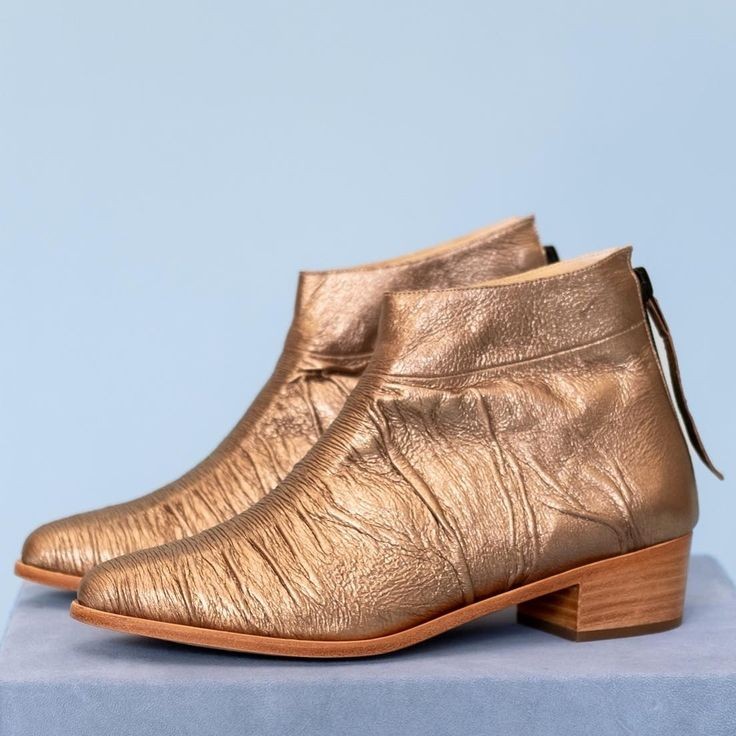
Golden Ruched Booties with hang tie and back zip design

These shoes are a great addition to any wardrobe to livin up your everyday casuals to strut around town in. You can see more of Laia Shoes collections Here.

XoXo – Style Diversity

Shoe Brand Awareness In Dubai

UAE is a growing and developing nation in varying sectors including the fashion and footwear sectors.

I noticed that after attending many fashion events or expos here that there was always a small amount of footwear vendors scattered about in the event space which didn’t draw that much attention from the visitors.

The well known APLF leather exhibition https://www.aplf.com/2023/03/30/aplf-24-to-return-to-hong-kong-home-base/
hosted their yearly trade fair here in Dubai in March for the first time but will return to it’s home in Hong Kong for it’s regular scheduled events

I would suggest any new footwear brand trying to break into the UAE industry must do serious ground work to let the local community get to know you because the lack of multi brand footwear shops and vendors makes it difficult to gain accounts in this region if you are a new brand unless you secure an account with the known chain department stores.

Otherwise you have to make a pretty big name for yourself in order to gain interest in your brand and get locals to buy from you due to brand awareness and not simply on the basis of your design, style and diversity.

I believe that the UAE and Mena area in general will eventually develop an actual footwear industry where local talent will be recognised, and more multi brand footwear shops will open with growing knowledge of shoes, industry, diversity etc by the local market.

There is a huge opportunity for entrepreneurs who have a love of shoes to create businesses that sell exclusive footwear from individual brands in their shops, but what must be present from the local market is interest, knowledge,  sense of diverse style, awareness of international talent apart from luxury or mainstream brands etc.

There are challenges for every market that you enter, but when trying to break into a developing nation who’s local market are not familiar nor accustomed to buying a brand just for it’s style and talent nor is there a multitude of local multi brand vendors willing to house them then that presents a huge disadvantage for the new designer brand trying to get discovered.

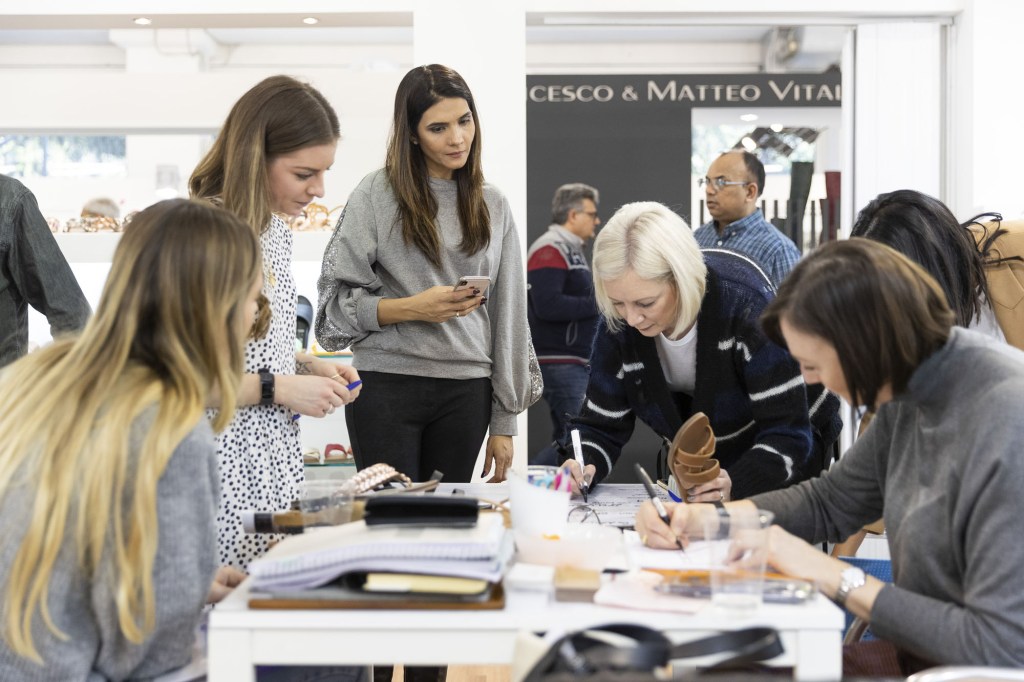
These are pictures from footwear trading in the west, where shoe shop owners come out to find new designers to house in their boutiques, department stores, atliers etc…

The designers typically set up their stalls, and gain accounts with vendors from all over the world who want to carry their shoes and introduce the brand to their customer base.

Unreliable Manufacturers And Production Challenges

I really hate to dump on some manufacturers in the footwear industry but I have to say it, many Pakistani and Indian Manufacturers will lie and cheat, over promise and never deliver on the agreement.

The amount of money I spent in the early years on trying out different manufacturers in these countries and the money I lost along with the samples I just had to chalk up as a loss and just resell them as a one off is too much to renumerate. When you are alone with no help or guidance or connections to manufacturers trying to start a shoe brand then it is a trial and error experience and can get quite expensive quickly.

I searched and tried different craftsman in these countries and I got a few samples done right that I liked, but it was not because they were skilled and honest it just turned out for the good on my end which I am truly grateful for.

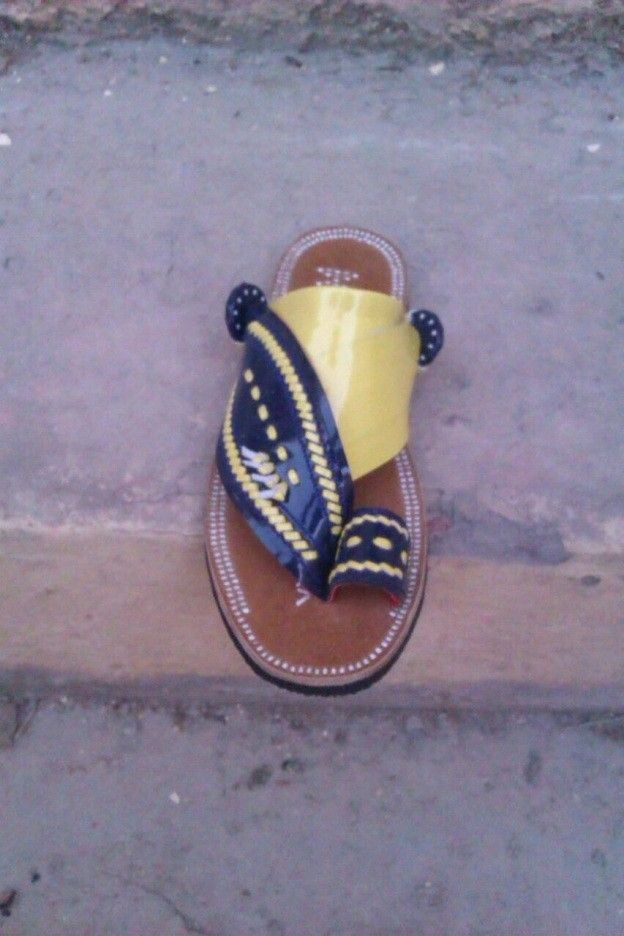
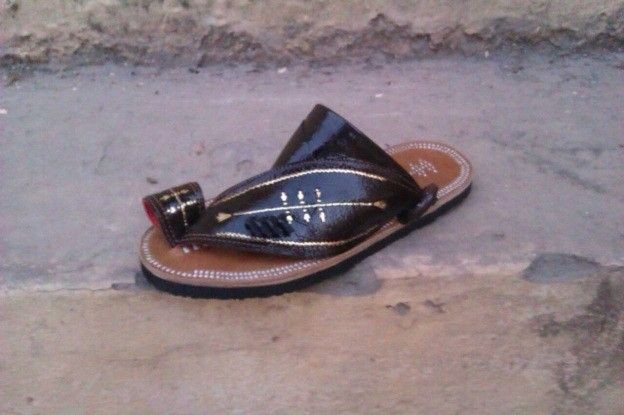
However the problem I ran into after the design for the Peshwari sandals and Shargiy sandals were completed and ready for production upon acquiring wholesale accounts from shoe vendors, I learned that the shoe maker could not replica the samples or source the leathers that the shoes were created in. Which put me back to square one because what is the point of marketing samples that cannot be reproduced? No use.

In the craftsman’s reasoning which was lead by greed and deceit just to get my money, was that I show the samples take orders for them and deliver whatever leather they have available at the local market which is absolutely absurd.

Quite frankly when you are dealing with crooks and people hungry for money they lie and don’t tell you the truth for fear of missing the sale, when in reality they lose potential long-term business relationships by lying and not delivering on their manufacturing abilities and promises.

I learned my lesson quickly and decided to keep my samples and resell them as one offs since they could not be produced in the color ways they were created in which was sad and a waste of time in my opinion.

These are only a few pictures that I managed to keep of the collection and it still saddens me that I could not launch them at the time of their creation but everything happens for a reason and when it’s supposed to.

To be continued………
XoXo- Style Diversity