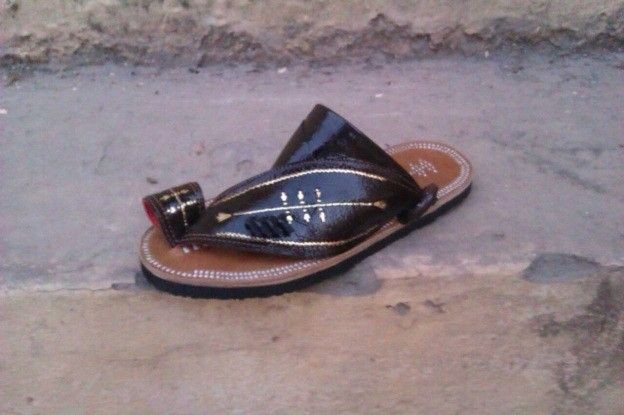
Unreliable Manufacturers And Production Challenges

I really hate to dump on some manufacturers in the footwear industry but I have to say it, many Pakistani and Indian Manufacturers will lie and cheat, over promise and never deliver on the agreement.

The amount of money I spent in the early years on trying out different manufacturers in these countries and the money I lost along with the samples I just had to chalk up as a loss and just resell them as a one off is too much to renumerate. When you are alone with no help or guidance or connections to manufacturers trying to start a shoe brand then it is a trial and error experience and can get quite expensive quickly.

I searched and tried different craftsman in these countries and I got a few samples done right that I liked, but it was not because they were skilled and honest it just turned out for the good on my end which I am truly grateful for.

However the problem I ran into after the design for the Peshwari sandals and Shargiy sandals were completed and ready for production upon acquiring wholesale accounts from shoe vendors, I learned that the shoe maker could not replica the samples or source the leathers that the shoes were created in. Which put me back to square one because what is the point of marketing samples that cannot be reproduced? No use.

In the craftsman’s reasoning which was lead by greed and deceit just to get my money, was that I show the samples take orders for them and deliver whatever leather they have available at the local market which is absolutely absurd.

Quite frankly when you are dealing with crooks and people hungry for money they lie and don’t tell you the truth for fear of missing the sale, when in reality they lose potential long-term business relationships by lying and not delivering on their manufacturing abilities and promises.

I learned my lesson quickly and decided to keep my samples and resell them as one offs since they could not be produced in the color ways they were created in which was sad and a waste of time in my opinion.

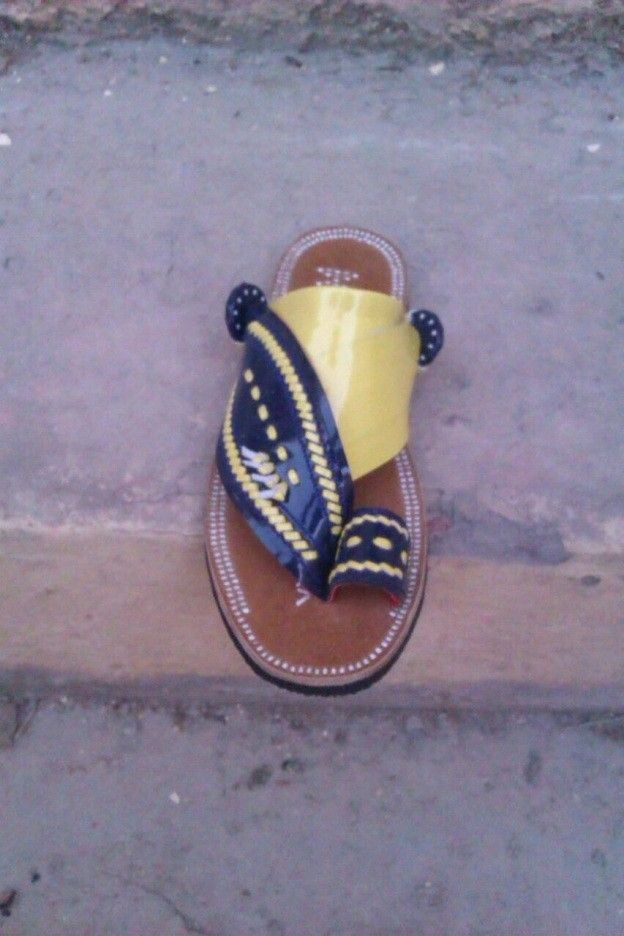
These are only a few pictures that I managed to keep of the collection and it still saddens me that I could not launch them at the time of their creation but everything happens for a reason and when it’s supposed to.

To be continued………

XoXo- Style Diversity

Dolce & Gabbana and the Muslim market

gallery-1452042139-landscape-1452019797-hbz-dolce-gabbana-arabia-index


Dolce & Gabbana is the latest brand to target Muslim shoppers, introducing a line of hijabs and abayas.

With floral prints, lacy patterns and the occasional pop of color, the Italian fashion house put its own twist on the usually dark-colored cloaks and matching head scarves traditionally worn by Muslim women.

The new collection “is a reverie amidst the desert dunes and skies of the Middle East: an enchanting visual story about the grace and beauty of the marvelous women of Arabia,” Dolce & Gabbana wrote on its Instagram page.

The company is hardly the first to tap into the Muslim market — H&M featured a hijab-wearing model in a recent ad, and Tommy Hilfiger, DKNY and Mango are among the brands that have launched Ramadan collections.

It’s an increasingly smart business move, as Muslim customers spent $230 billion globally on clothing in 2014, and it’s predicted that figure will rise to $327 billion in 2020, according to a report from Dinar Standard, a market research firm.

Melanie Elturk, CEO of Haute Hijab, told TODAY she’s excited that companies are finally wising up to the fact that Muslim women have money to spend, especially ones who wear hijabs and abayas. “That’s their entire wardrobe!” she said. “They don’t have a plethora of jeans and tops and sweaters.”

While she allows that companies like Dolce & Gabbana might simply be trying to infiltrate a lucrative market, as opposed to making a political statement, she’s still “ecstatic” to see brands post photos of presumably Muslim models.

“Just to see a model in full hijab and an abaya is remarkable,” she said. “It’s something I truly never thought I would see.”

But she warns companies have to be careful about catering to traditional Muslim women.

“This market is so nuanced and deeply rooted in faith that if you get one thing wrong in an ad or with the imagery, you can completely miss the mark,” Elturk said, pointing out that part of a model’s leg is visible in one of the Dolce & Gabbana images, which defeats the purpose of wearing the abaya.

While pieces from Dolce & Gabbana’s new collection are likely to be priced well into the thousands, there are plenty of brands making fashionable hijabs for affordable prices, like Elturk’s own Haute Hijab, Inayah or even Etsy, where prices start around $10.


Reblogged from : http://www.today.com