How Fur Came Into Fashion

Everyone knows that owning a fur coat is the utmost luxury fashion statement piece and shows how stylish and chic you are. They keep us warm and turning heads in the winter months and often times become family heirlooms to be passed down to our fashionable children.

However did you ever wonder when fur became in style and who were the first people to wear them for fashion and status purposes? Let us take you down the road of fur fashion history donned by nobles dating as far back as ancient Egypt.

Fur clothing is clothing made from the preserved skins of mammals. Fur is one of the oldest forms of clothing and is thought to have been widely used by people for at least 120,000 years.[1] The term ‘fur’ is often used to refer to a specific item of clothing such as a coat, wrap, or shawl made from the fur of animals.

Humans wear fur garments to protect them from cold climates and wind chill, but documented evidence of fur as a marker of social status exists as far back as 2,000 years ago with ancient Egyptian emperors and high priests wearing the skins of leopards.

THE EARLIEST DAYS OF FUR IN FASHION

Fur’s association with the highest echelon of society began in Ancient Egypt where leopard skins were reserved exclusively for the royal family and high priests before the British nobility adopted the same ritual in the thirteenth century.
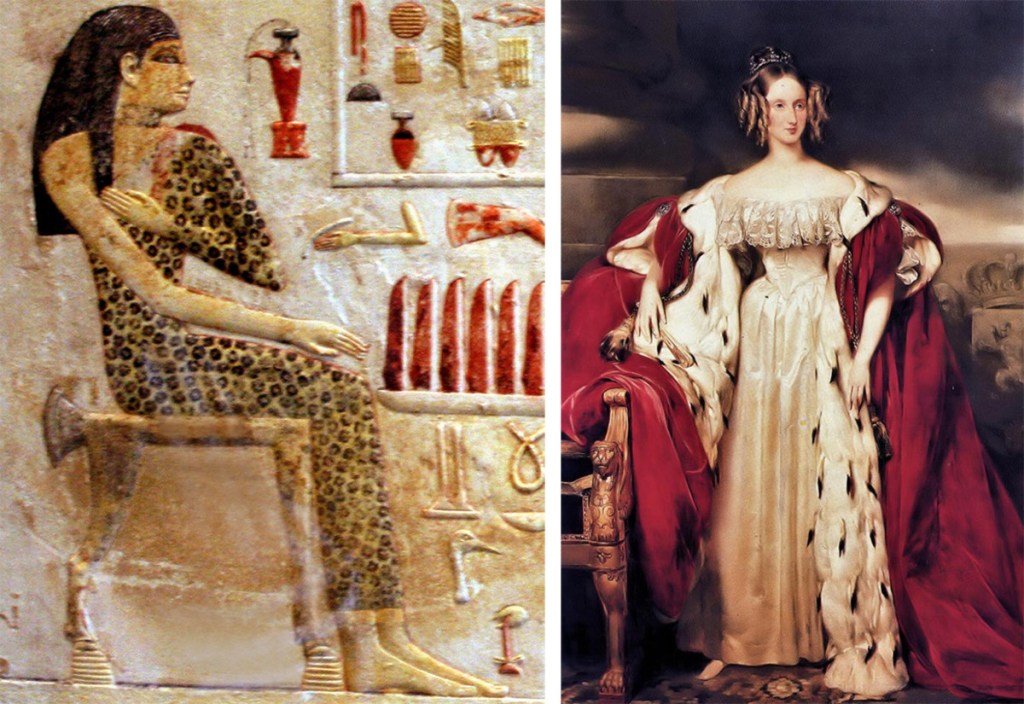
Historically in European and Middle Eastern cultures fur garments often had the fur facing inwards with cloth on the exterior of the jacket, but in the 19th century a trend for wearing seal fur coats with the fur facing outwards became the trend.[3] Worldwide, both styles are popular, with fur linings offering more thermal benefits and exterior furs serving more of a fashionable purpose.

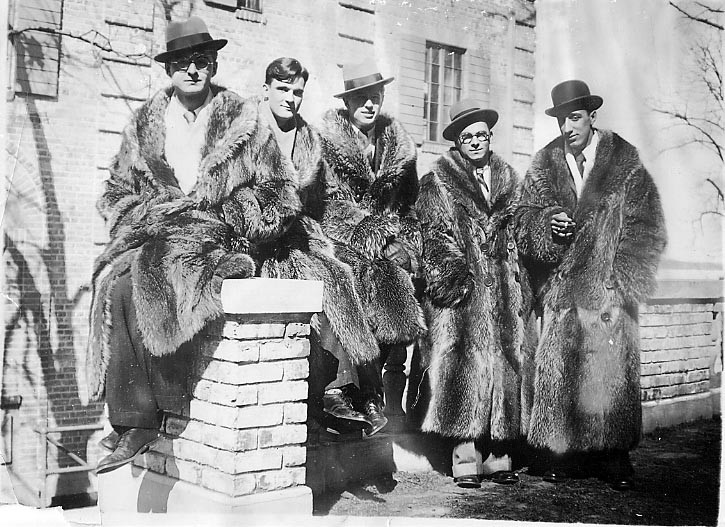
Fur coats were a sign of social inequality in European society because they were a luxury item available only to the nobles. In the last two centuries, furs have been popular with the growing middle classes in Western Europe and North America as a means of displaying social status or adopting a high-fashion aesthetic.
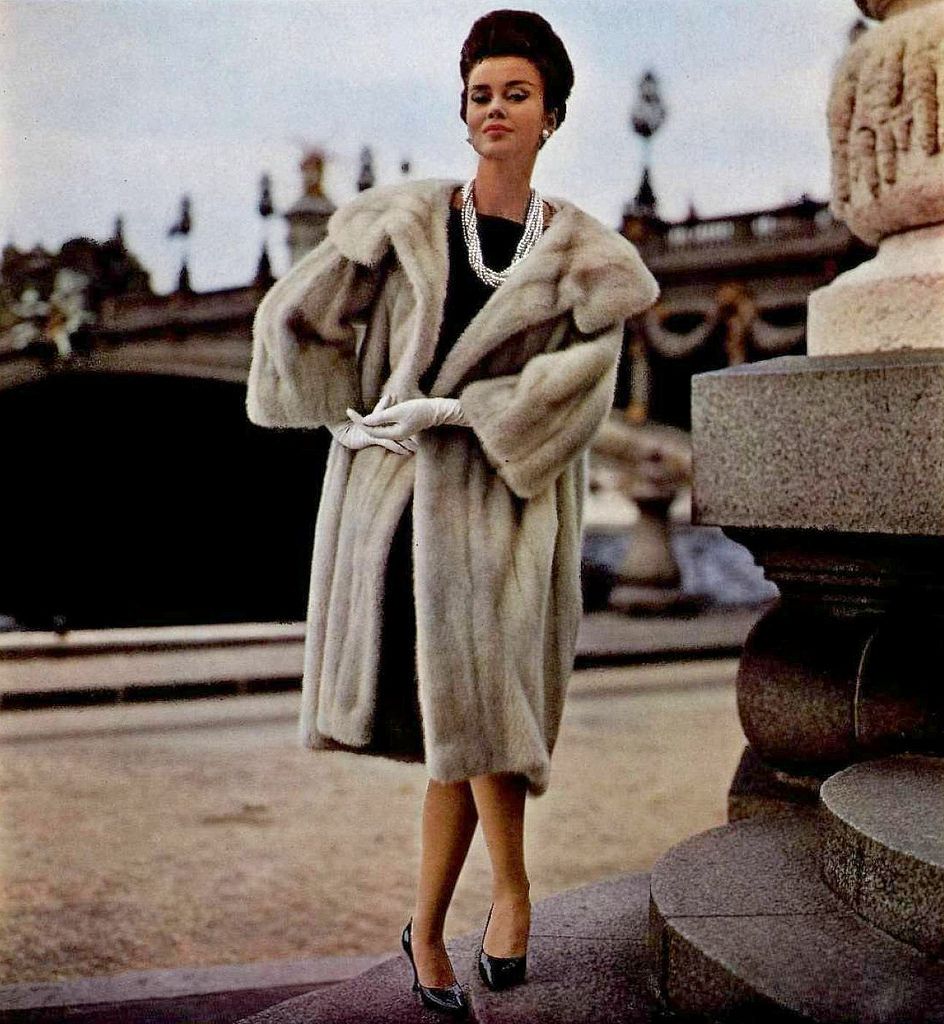
In the early 1940’s Following the New Look in 1947, the long fur coat became an icon. It was wide and draped, made of precious furs. In the 1960’s there was a democratization in the use of furs: everyone could afford a faux fur coat, since the imitations could easily confuse an amateur.

As the decades progressed and the fashion industry developed with more designs and designers creating their own versions of the luxury garment we have an endless and diverse supply of the coveted luxury status symbol we know as the fur coat.
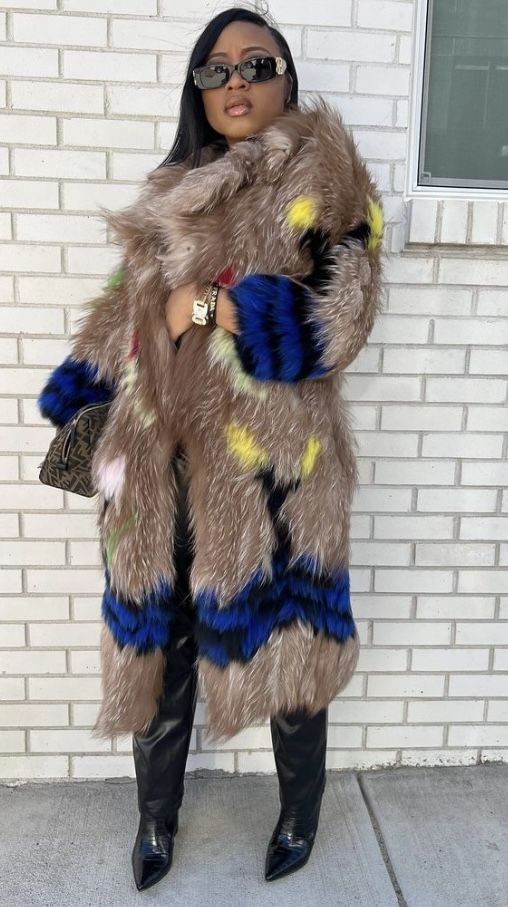

Will you be sporting your beautiful fur this winter or purchasing your first genuine or faux fur in the near future?

Xoxo – Style Diversity
Fashion History : How  Garments Got Their Shapes

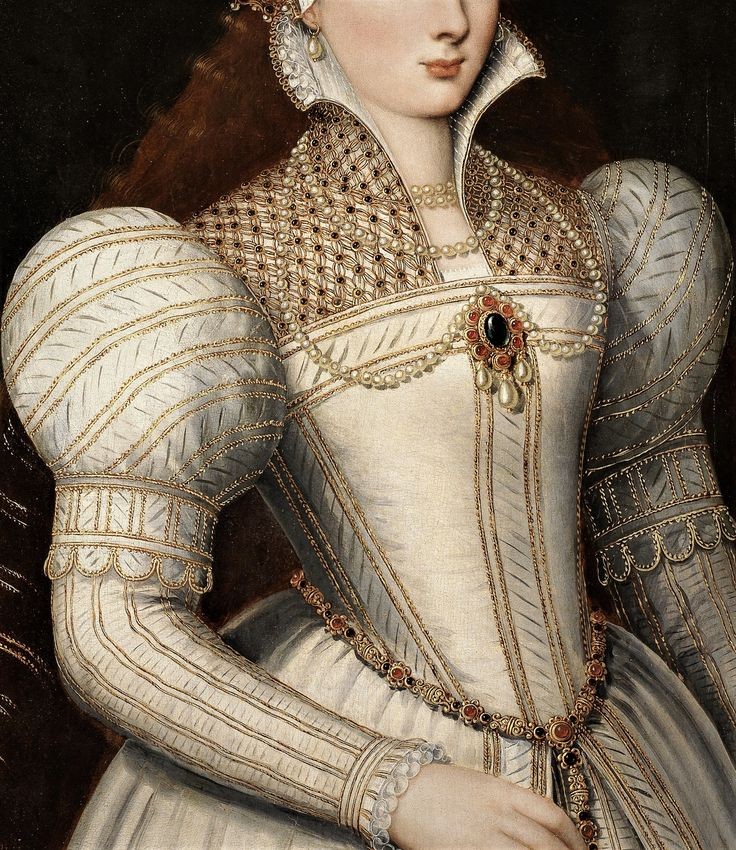
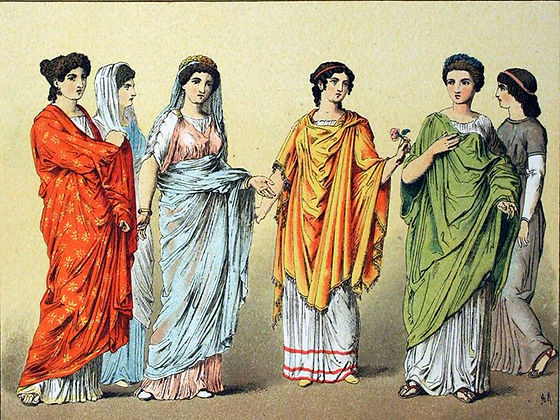
Before the 16th century came around most garments were variations of drapes and throws with beautiful details and embroidery but without much shape or fit to the body.

Draped Garments For Women
Draped Garments For Men

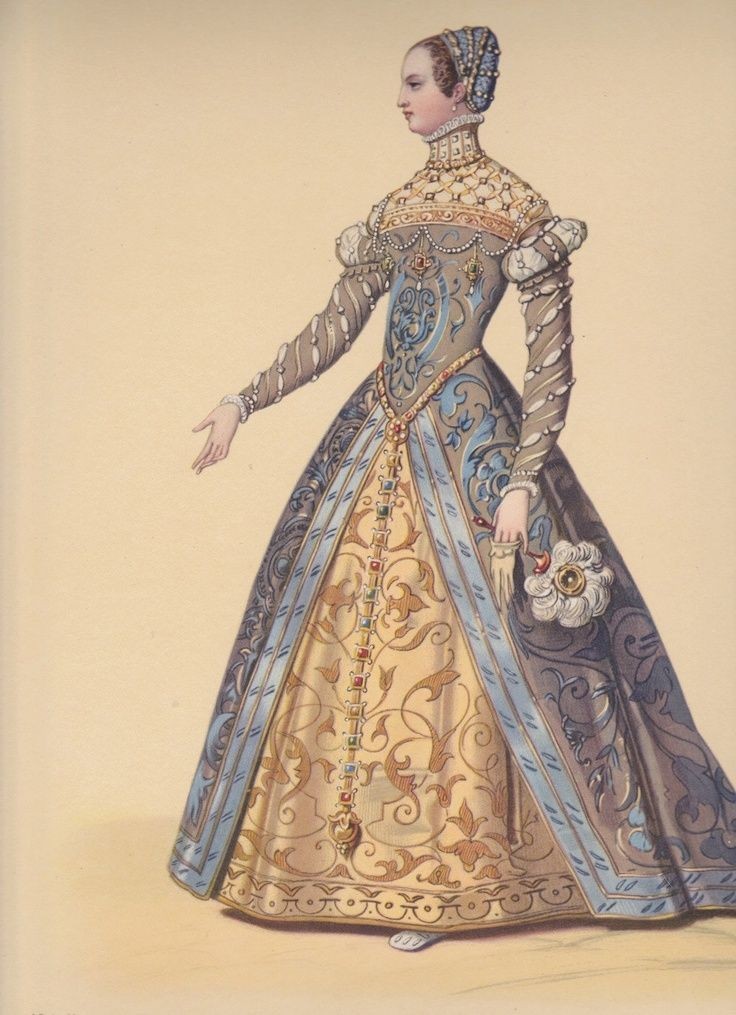
However soft draped lines began to disappear as the century went on. Throughout the 1500’s women’s dress had two matches n parts which were a bodice and a skirt. Sleeves were often times separate as well. The gradual move from clothing that draped over the body to clothing that shaped it was complete.

Only outer robes and coats remained waistless. Full skirts widened with gathered and pleated waistlines. Outer skirts were opened up to reveal a petticoat or forepart underneath.

The Spanish farthingale created a bell shape and defined the century’s silhouette. Bodices became smooth and fitted by adding stiff materials inside. While the torso straightened, sleeves grew larger and more elaborate.

Spanish Farthingale

At the start of the sixteenth century, women dressed as they had for much of the fifteenth century, though changes were slowly introduced. The foundation of a woman’s outfit was her smock/shift/chemise, which was made of linen and easily washed. Blackwork or other colored embroidery was commonly applied to chemise necks, fronts, and wrists.

Beneath every elaborate gown a linen undergarment was worn next to the skin. These undergarments are what we refer to now as shirts, but in medieval times were referred to as smocks, shifts, and chemise in French which was an essential layer because it could be easily washed and protected the outer garments which were never washed. The more the under linen shirt would be revealed in certain garments the more elaborate and decorative the linen shirt became.

Fashion in the first decade of the sixteenth century largely continued the trends of the 1490s, but with a growing Italian influence on men’s and womenswear producing a broader silhouette, as well as an increasing presence of slashing on men’s garments.

At the start of the sixteenth century, the first layer a man would put on would be his linen shirt or chemise, which in this period was nearly always visible and gathered at an often-ornamented neckband. Doublets were collarless, cut square and low. Sleeves were often of a finer fabric than the body as they were more visible when wearing a gown. Jerkins, often skirted, were worn over the doublet (it is often difficult to distinguish the two in portraits). Gowns, worn over doublets/jerkins, were broad-shouldered and loose, open down the front, with a large turned back collar that broadened over the shoulders and was usually fur lined. Legs were covered in hose ending at the knee, with the two legs joined by a codpiece, netherhose or stockings were worn below, supported by garters.

XoXo – Style Diversity

Starting My Style Blog And Where I Am Now

So let me start by thanking all of you who have subscribed to the blog and followed us all of these years.

I am from the United States and started this blog in 2013 while working as an English instructor in Saudi Arabia just before ending my contract at the school I was working at in Riyadh. At the time I was creating my new journey and path towards getting settled in the middle east through establishing my own business which brings me to my current position.

Teaching Saudi Students

If you’ve been here from the beginning then you’ll know that I mentioned that my love of shoes brought me to start this blog in the first place, and my determination to find unique footwear brands from around the globe to showcase them here on Style Diversity.

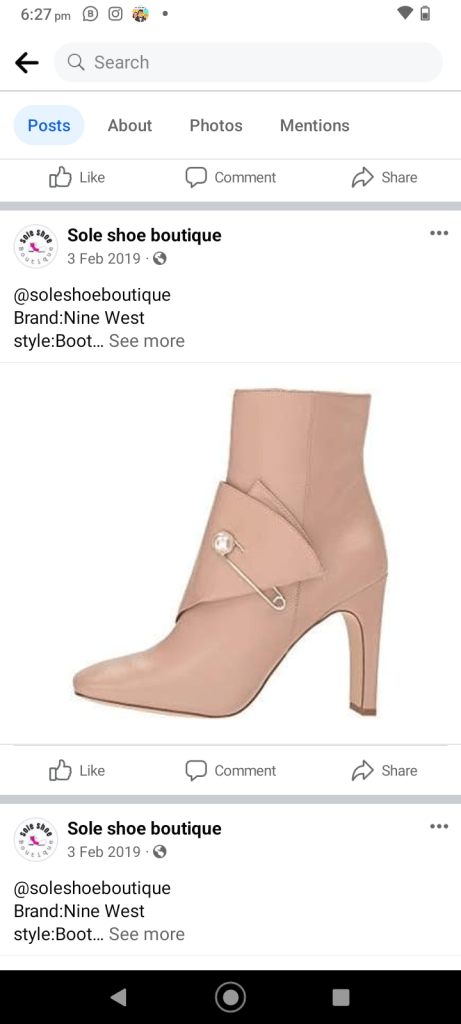
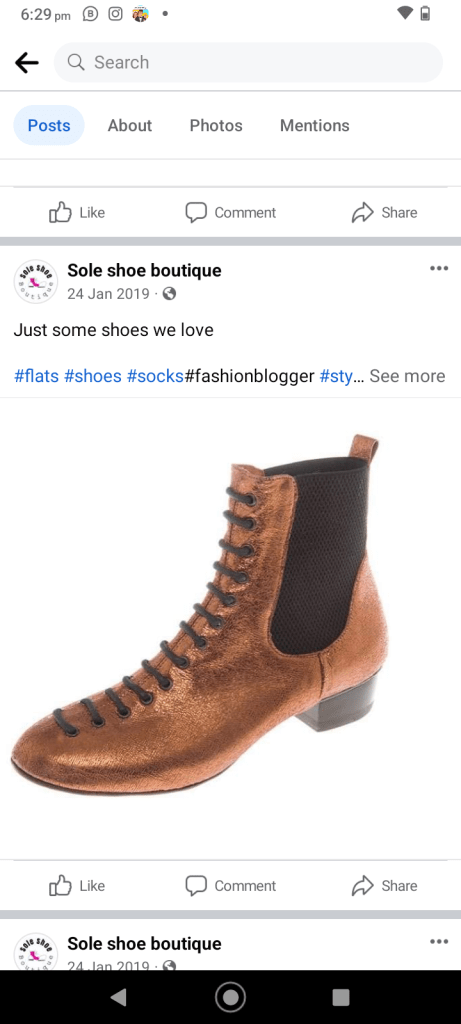
You will also remember that I would periodically post shoes for sale that linked to an online boutique that I owned called Sole Shoe Boutique that I started in 2006 which is now dissolved since 2019.

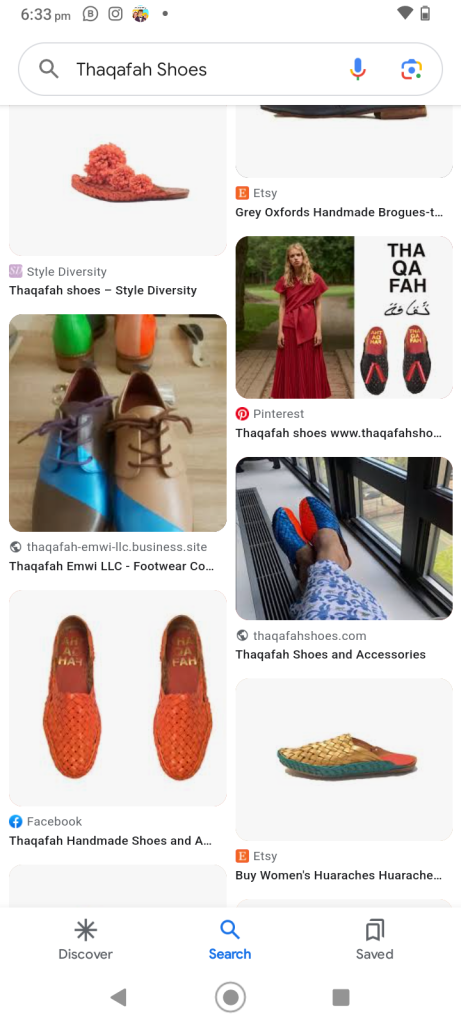
I also announced the making of my own shoe brand that I created called Thaqafah Shoes (Google me) that I periodically posted designs from on the blog. This was happening while I was suffering from an autoimmune disease for 17 years, raising my children, moving from country to country, starting a new life in the UAE and trying to expand the business here to finally getting settled making the UAE our final destination to build our lives in.

Thaqafah Shoes Images On Google

I had absolutely no help at all despite being married. But I’m a fighter , very goal driven and came a very long way under almost impossible circumstances.

I kept my businesses online and mobile because of my semi nomad lifestyle which worked well for me and what I was trying to do.

I’m now in a position where I got rid of dead weight (if you know what I mean) am settled and ready to take my career to new heights.

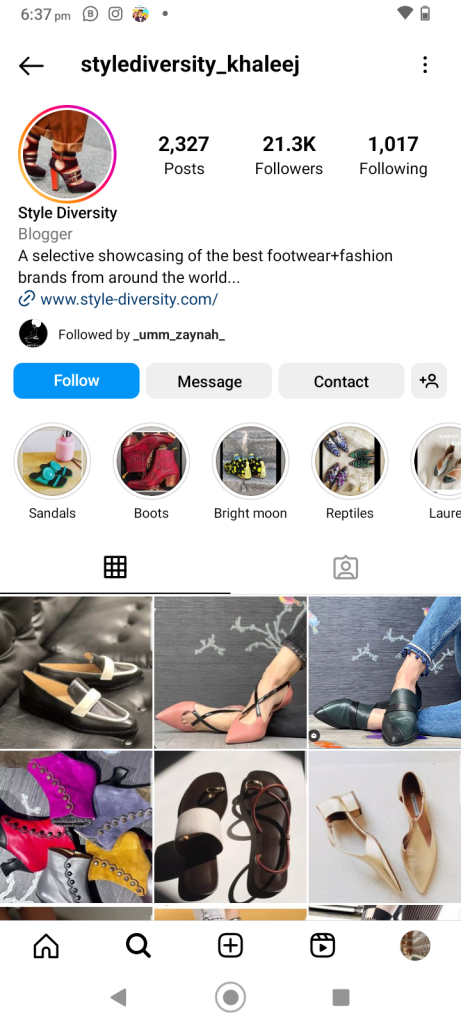
I haven’t posted much here over the past couple of years because of everything I just mentioned above however I was consistent with posting pics on our social media page @Stylediversity_Khaleej and we managed to gain over 20,000 followers on the page.

Style Diversity Instagram Page

I plan to share more of my journey with you all on the blog along with news about Thaqafah and the progress and challenges that come along with entering a new market, since most of my customers are based in the USA , Canada and Europe.

So stay tuned for more style posts, fashion news , and more from the middle eastern designers and talent from the local area.

XoXo- Style Diversity
Dressing with dignity by Colleen Hammond

Wooh! A touchy but true read this is. As other reviewers have said about the book, I don’t agree with all aspects but so many of her points on modesty and dressing according to how you would like to be treated was so on point. She also touched on the history of fashion in America.

Here is an overview of the book.

In this ground-breaking book, Colleen Hammond challenges today’s fashions and provides you the information you need to protect yourself and your loved ones from the onslaught of tasteless, immodest clothing. Colleen Hammond shares real-life examples of how women can accentuate the grace and beauty of their femininity, and she shows that modest definitely does not mean frumpy !! DRESSING WITH DIGNITY covers it all . . . The history and forces behind the changes in fashion. How to talk to teenagers about the privilege of femininity so they will want to dress with dignity. How to awaken chivalry in men and be treated with respect. How to regain and teach the lost charm of interior and exterior femininity! How to dress in an attractive, dignified, classy manner! Specific documents about manners of dress from the Magisterium, the Popes and the Saints. Comprehensive guidelines for choosing tasteful attire. Resources on where to find beautiful, modest clothing. And much, much more!

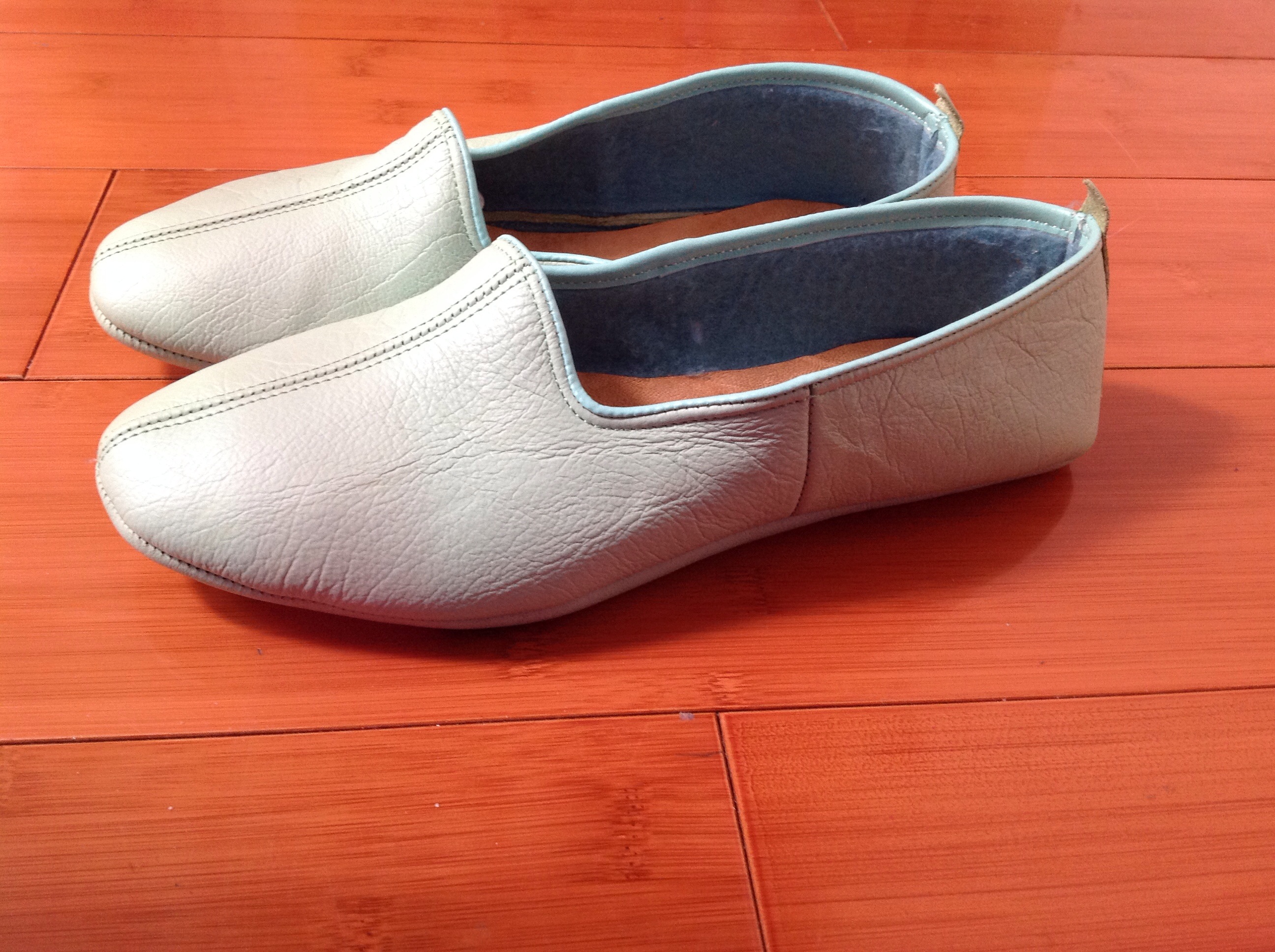
Here is a pic of a beautifully modestly dressed lady that I found which led me to the the author Colleen’s book and we paired it with a pair of Thaqafah tri color mules.

Have a read here.

And check out Thaqafah shoes here.

Xoxo,

Style-Diversity

Moma: the vintage style on your feet. The modern dandy footwear

An extended family. 38 dreamers that put heart, soul and passion for creating special and special shoes, with a strong personality and vintage mood. It’s to create Moma shoes.

Moma. Museum of Modern Art in New York.

Or.

Midnight Over My Action. A name that remembers the origin of the brand:  many sleepless nights spent around Europe, observing, discovering and searching for inspiration. Although more than 20 years have passed since the birth of Moma, Daniele and Gigio, two artisan brothers, have never stopped repeating how important passion and will are to make dreams come true.

This point of view comes to life day after day in the hands of artisans, artists, workers and designers and it takes the form of an out of the box pair of shoes, that’s why Moma shoes are worn, ruined, dirty or – as we say today – vintage. A brave choice considering the years when it was made, when vintage word was not in fashion yet. A choice that paid off.

And the secret is in Gironacci brothers’ words.

“We keep on doing what we like and what we like is not what the market demands. We are a company that still works following its own heart not its own business. When you do something with your heart, it lasts for a long time not just for one season. It’s for life.

Today Moma shoes are on the feet of men living in the four corners of the globe; this makes these shoes not just a simple accessory, but a way to express themselves. Moma footwear owes its specialness and its beauty to craftsmanship. In fact, each shoe sees the light still in the same small workshop in the heart of the Marche. A real resistance in a time of total standardization of goods and flattening of styles.

Worn, dirty, aged, Moma shoes are like wrinkles: every chromatic shifts, every irregularity, every detail that may seem a flaw, tells a story, an experience, a person. So, as time goes by, the beauty of MOMA shoes becomes more authentic and marked by life, just like a man’s face, in full compliance with the corporate philosophy.

A perfect mix of elegance and comfort: thanks to the 100% Made in Italy production and the leathers purchased from the best Tuscan tanners, Moma footwear is indestructible and very comfortable. Each shoe is different from every other one because the techniques used that include plant products: each leather reacts differently to the mixture of dyes, getting the “vintage effect”.

But how to wear a pair of Moma shoes?

Mixing vintage and modern. The shirt is inspired by the textures of retro furniture, just like the single-breasted herringbone vest by Messagerie in wool and linen blend. Match them with a pair of Moma lace-up in garment-dyed leather, with micro perforated decorations and used effect.

The wardrobe for young eccentrics comes from the Far East. Multi-coloured prints meet dandy details. For a man who knows how to live urban life. He is wrapped up in colourful, embroidered jacket to wear with a pair of Moma lace-ups, dark brown-coloured, made of genuine leather and fully perforated.

A striped jacket, in light nuances, a Panama on the head and a linen shirt: the flawless and timeless summer style of a gentleman. On his feet a pair of Moma loafers, made of genuine garment-dyed leather with tassels and visible stitching.

Shop some moma here

Xoxo,

Style-Diversity

Let’s talk about Marc Jacobs and the chic dazzle

First off let me say I absolutely love Marc Jacobs and majority of his designs. He truly inspires me in my own path of pursuing my design career, and he has a true story of one who came on the fashion scene back in the 80’s and worked his way up to being a household luxury name all over the world.

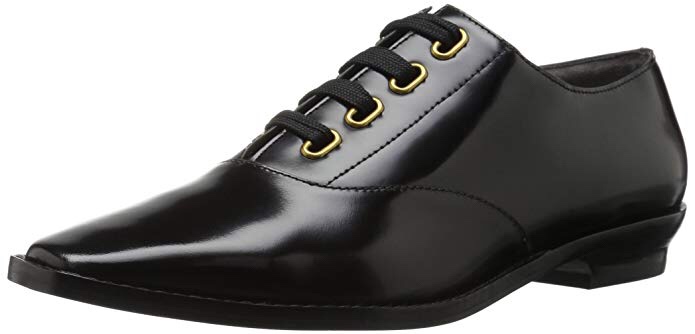
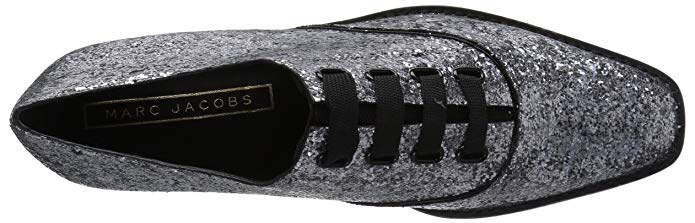
Now let’s get into the chic oxfords Brittany available this season in both black and silver glitter, lace up. The shimmer of the silver are just fabulous and the black with gold accents are just as sleek and chic as they want to be.

Rock them how you want to, but Please have a look.

Xoxo

Style-diversity
Barefoot shoes and round toe tabi socks

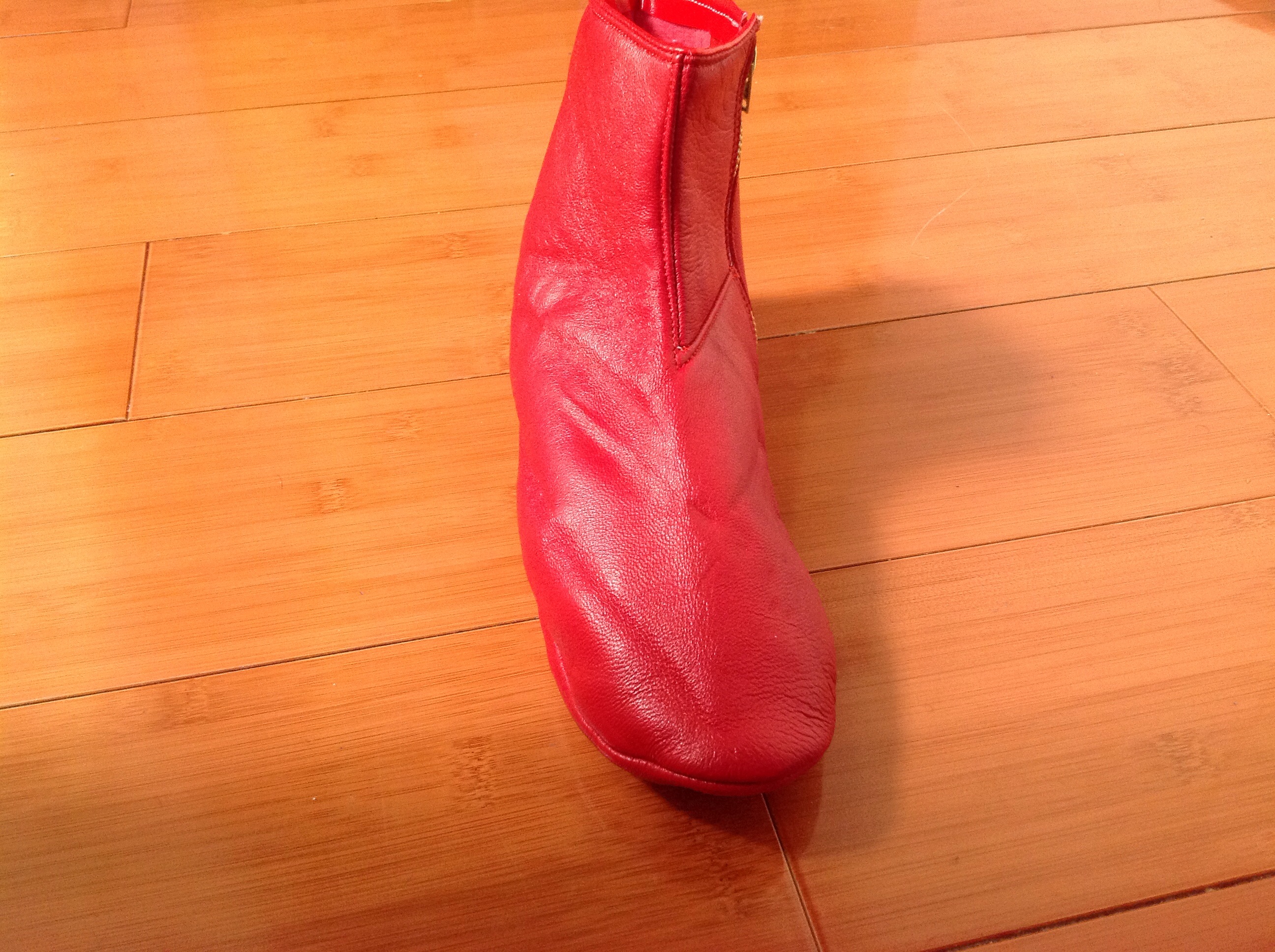
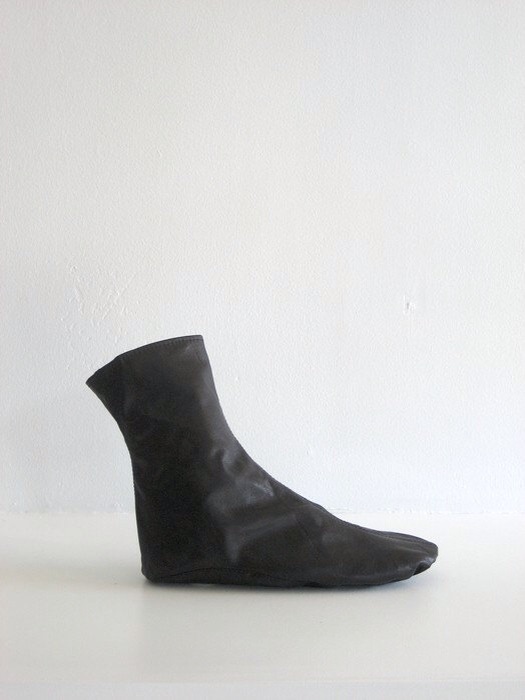
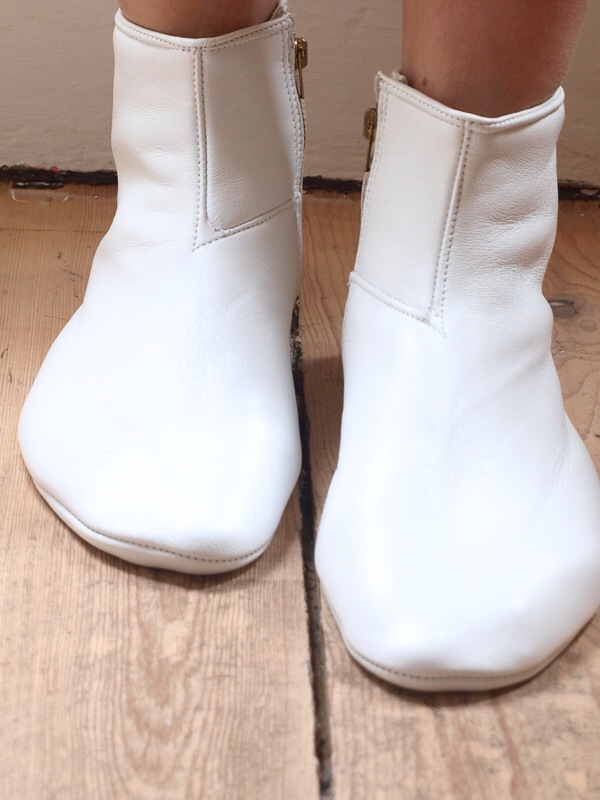
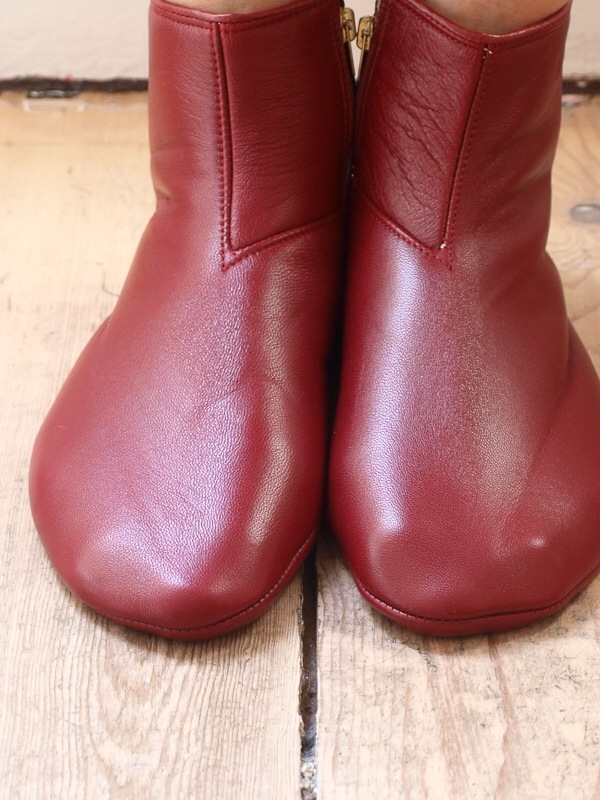
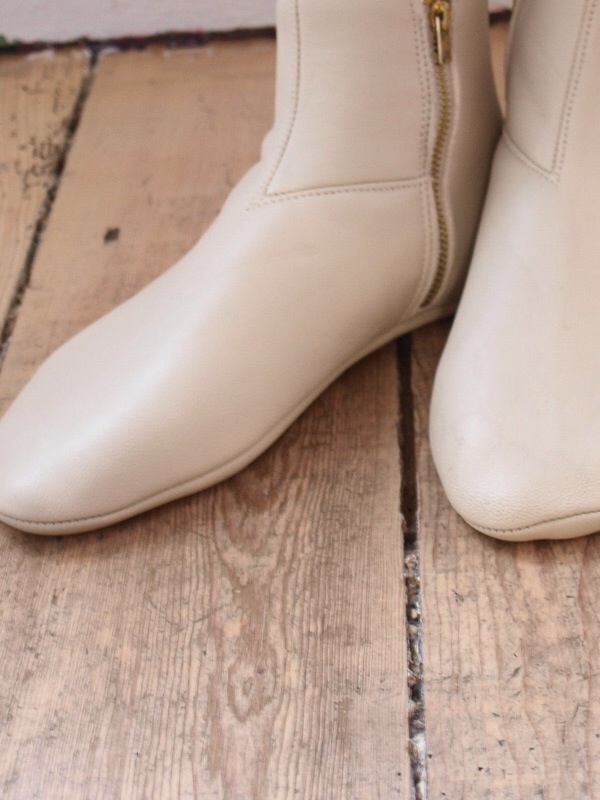
So, our samples arrived rom Turkey and Pakistan  the other day. We ordered some round toe tabi socks aka leather socks. One ankle ballet flat type, and the other kind of like an ankle ballet bootie type.

We have big plans for these socks/shoes, by adding a thin rubber sole , to preserve the leather under ther sock, and also allow you the feeling of walking barefoot without compromising style.

Here’s a peek at what we’ve got so far, with more to follow……..


We have a few of the black, in sizes 8-11 , so if interested then message us. They fit like a glove, just like wearing nothing on your feet all day .

Ruqayyah

Luxury, Runway,Traditional sandals from the East to you

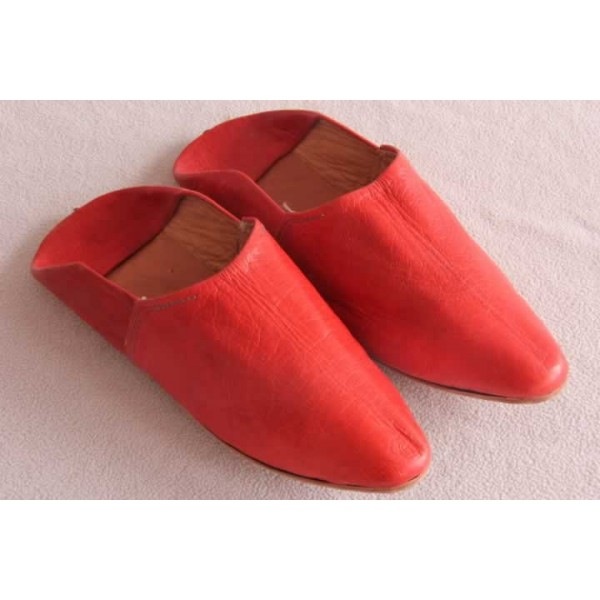
New peshawari chappals collection for women are hot and on the runways of Paris and beyond , from top luxury designers who see the beauty of these native Pakistani sandals……

Now available in our etsy shop, our colorful , unique array of Peshawari Chappals for all of you fashionable ladies. Sizes 7-10 available
https://www.etsy.com/…/handmade-sandals-animal-print-leathe…

Who’s down for a pair of fly leather socks?

We will be featuring the most fabulous leather socks on the market this coming Spring Summer season to join our Thaqafah collection.

Leather socks are comfortable and wisks away sweat in your feet as you wear them.

Leather socks have been worn for centuries if not thousands of years, by nations throughout history. The Japanese leather socks are called Tabi and the Arab or “Muslim” leather socks are called khuffs (sock in Arabic ).

If you are into earthing, minimalism,comfortability, or just down right fashion, then our socks will be perfect for you. They have made their way on the runways of Milan and now they will be available for all who would like to sport them.

They will be featured in an array of colors and styles throughout the seasons. They can be worn indoor or outdoors, depending on surface (I wouldn’t recommend rock climbing in them).

Follow us to be notified when purchase will be available, and feel free to ask any questions concerning this new collection of socks.

2015/03/img_1351.jpg

2015/03/img_1349.jpg

2015/03/img_1350.jpg

2015/03/img_1348.jpg

2015/03/img_1352.jpg

2015/03/img_1354.jpg

Xoxo,
Ruqayyah

Tunisia has got it going on folks

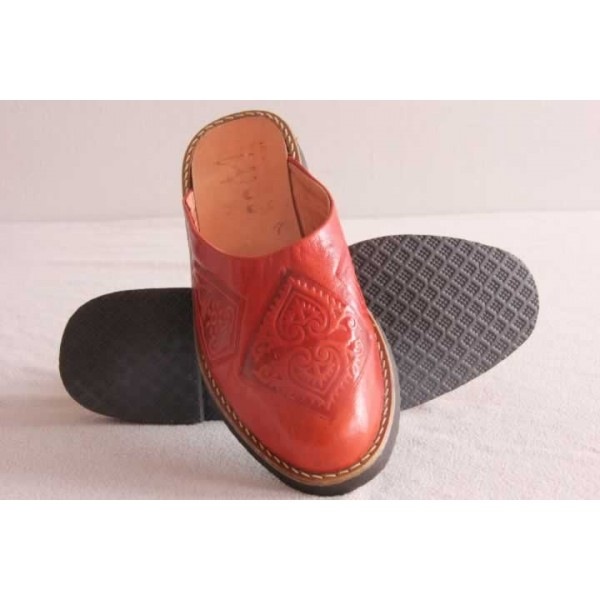
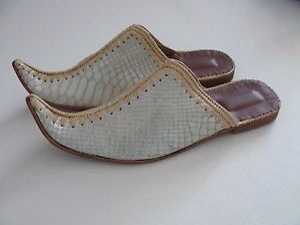
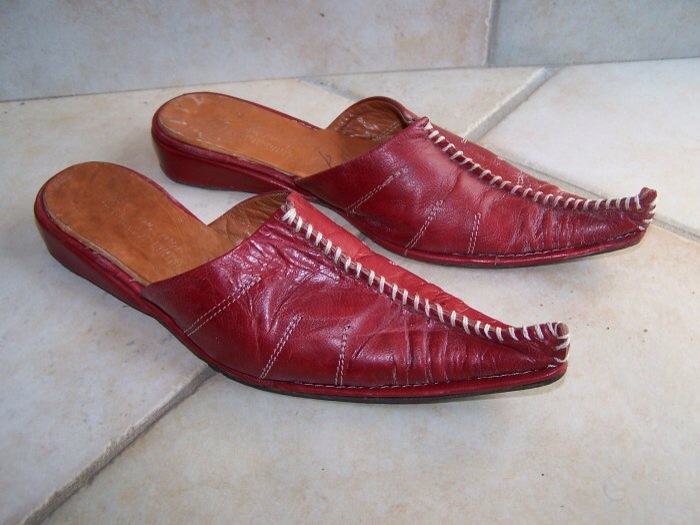
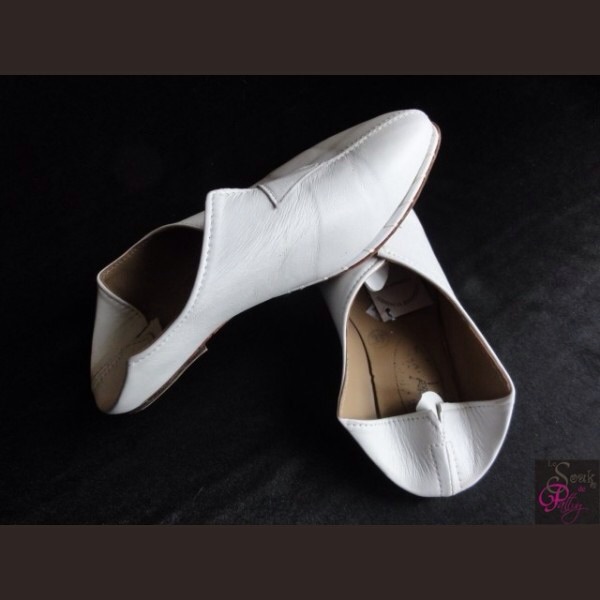
Soooooo, turns out that Tunisia also has babouche that they produce as well. I have to tell you that these nations have some of the flyest footwear in the world. Right up there with Turkey, Spain, India,Italy, Portugal, and Mexico, in my shoe making masters book.

The designer world has been scoping and copying these styles for years, and it’s time to introduce them to the world at large for who and what they are and come from.

That is what Thaqafah is all about, aiding the artisans of these countries to bring the old with a new modern twist, along with keeping the shoes trendy without compromising tradition and quality.
Love love these shoes (la sigh).

2015/02/img_0833.jpg

2015/02/img_0834.jpg

2015/02/img_0835.jpg

2015/02/img_0836.jpg

2015/02/img_0837.jpg

2015/02/img_0924.jpg

2015/02/img_0899.jpg

2015/02/img_0915.jpg

2015/02/img_0900.jpg